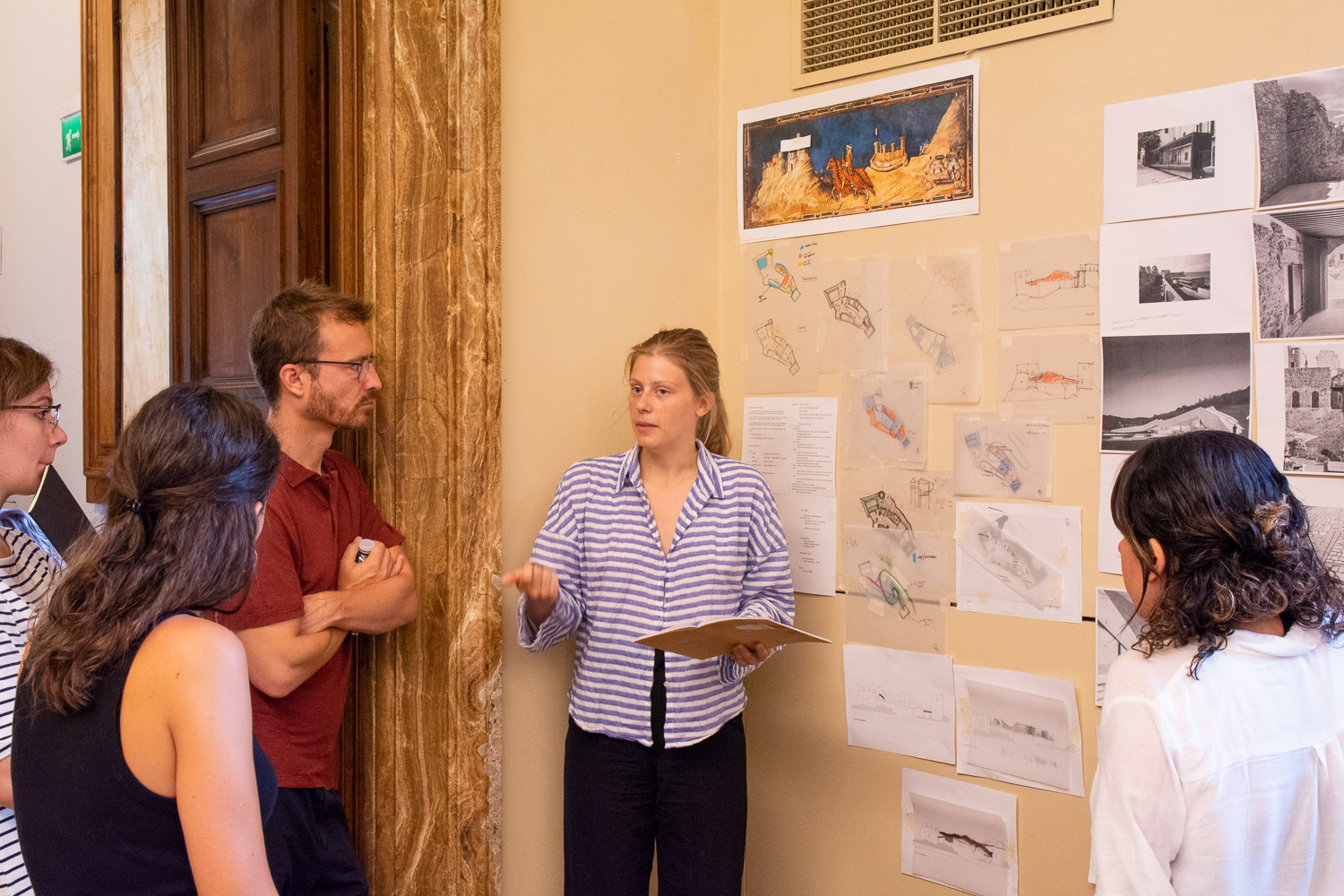
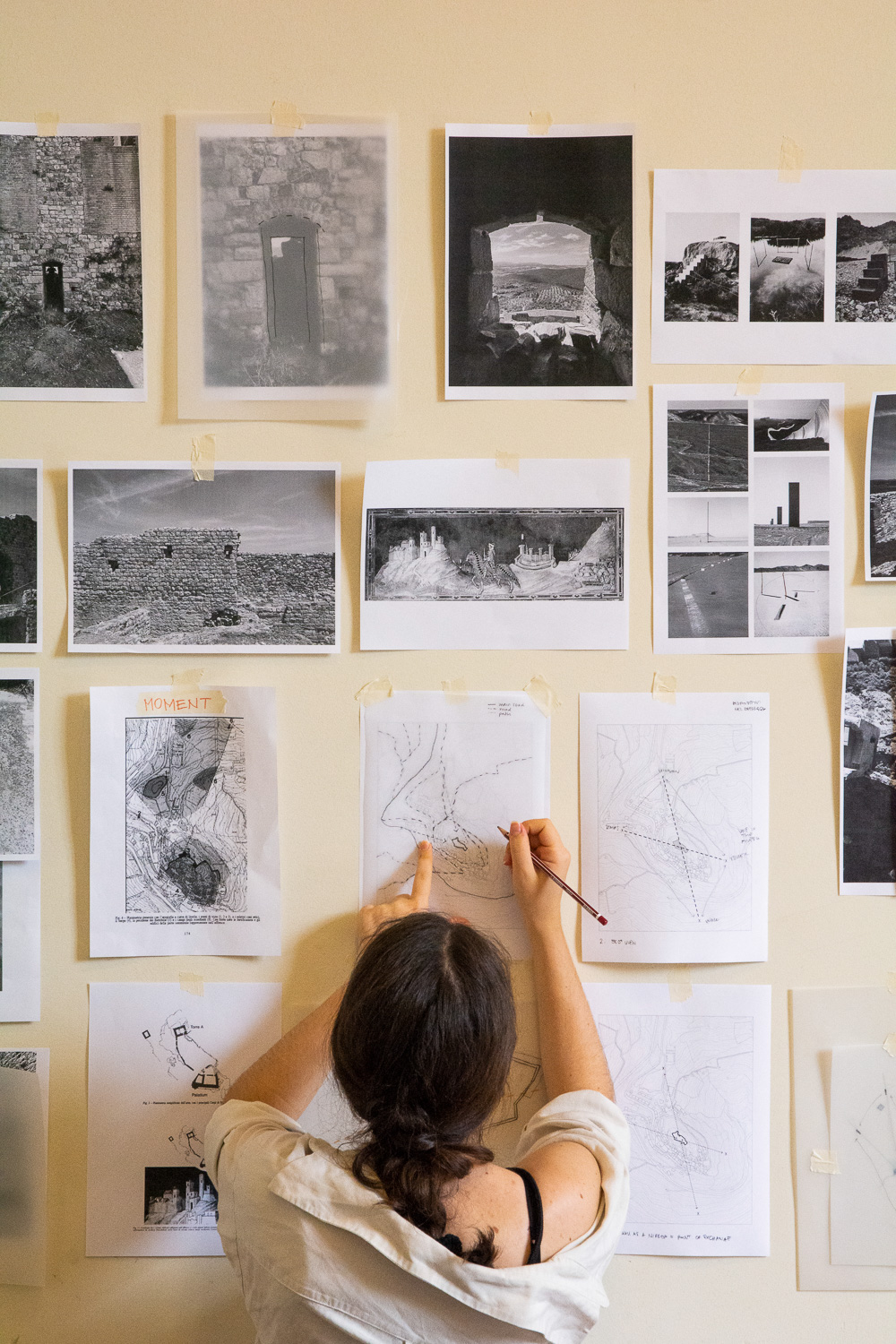
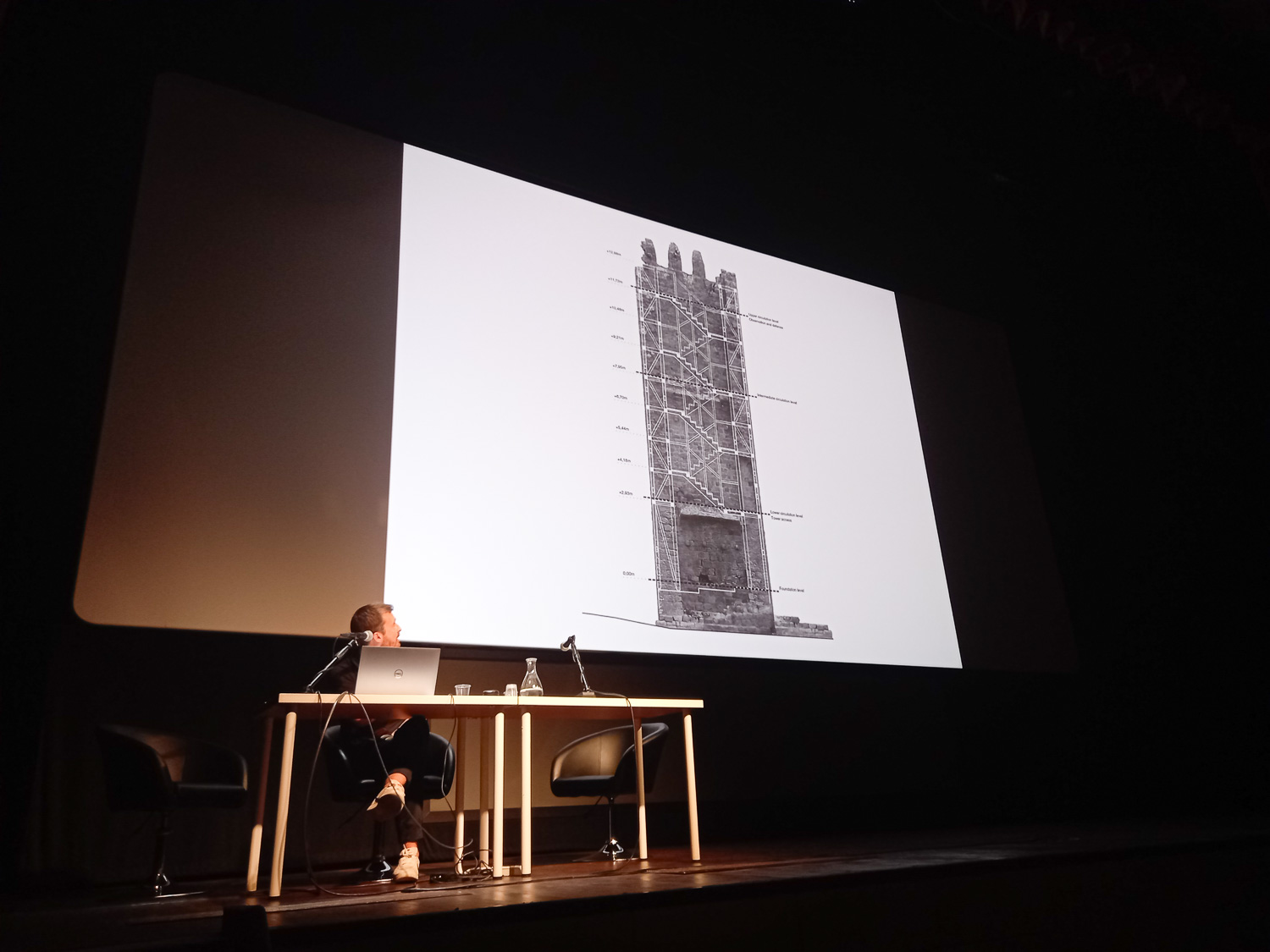
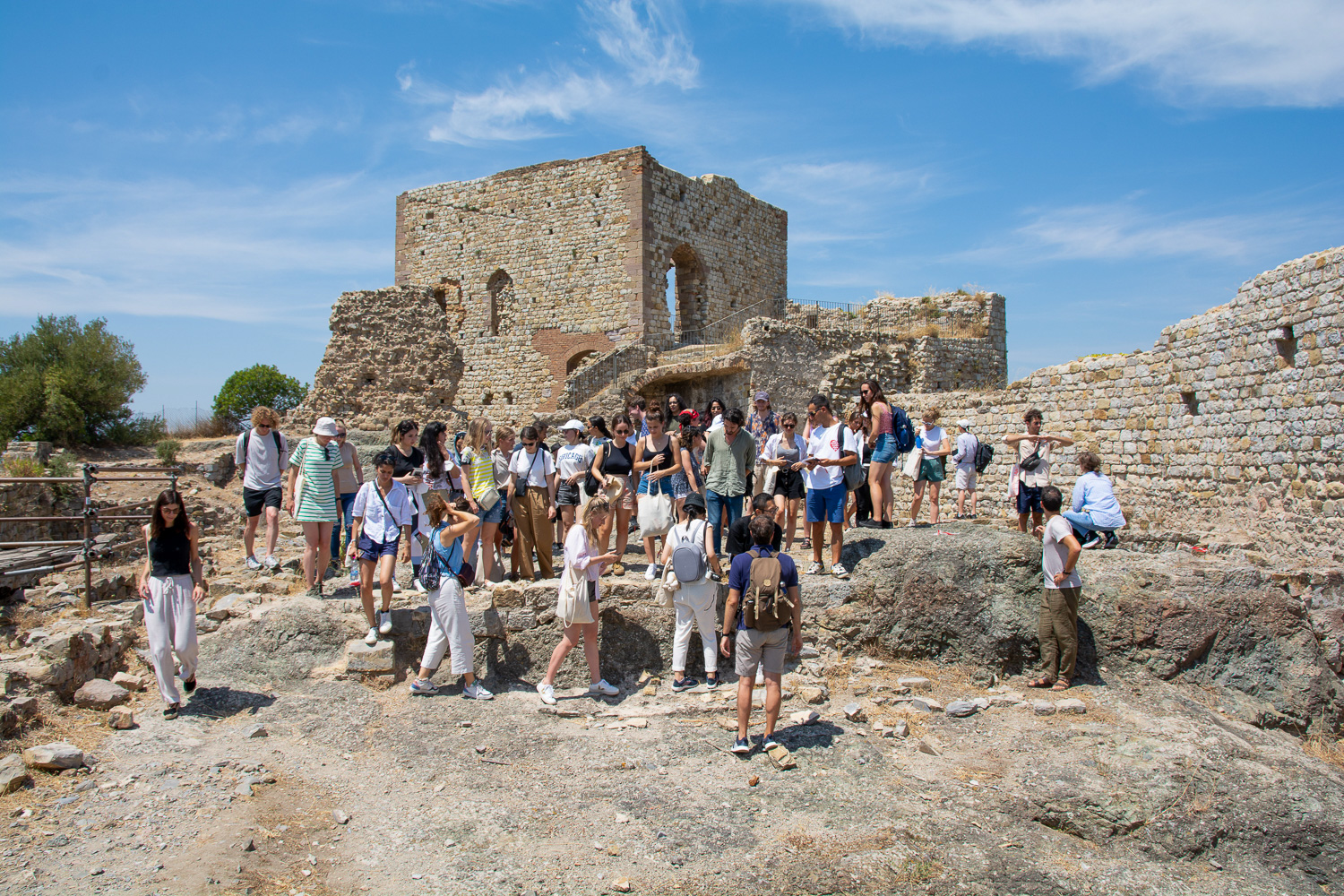
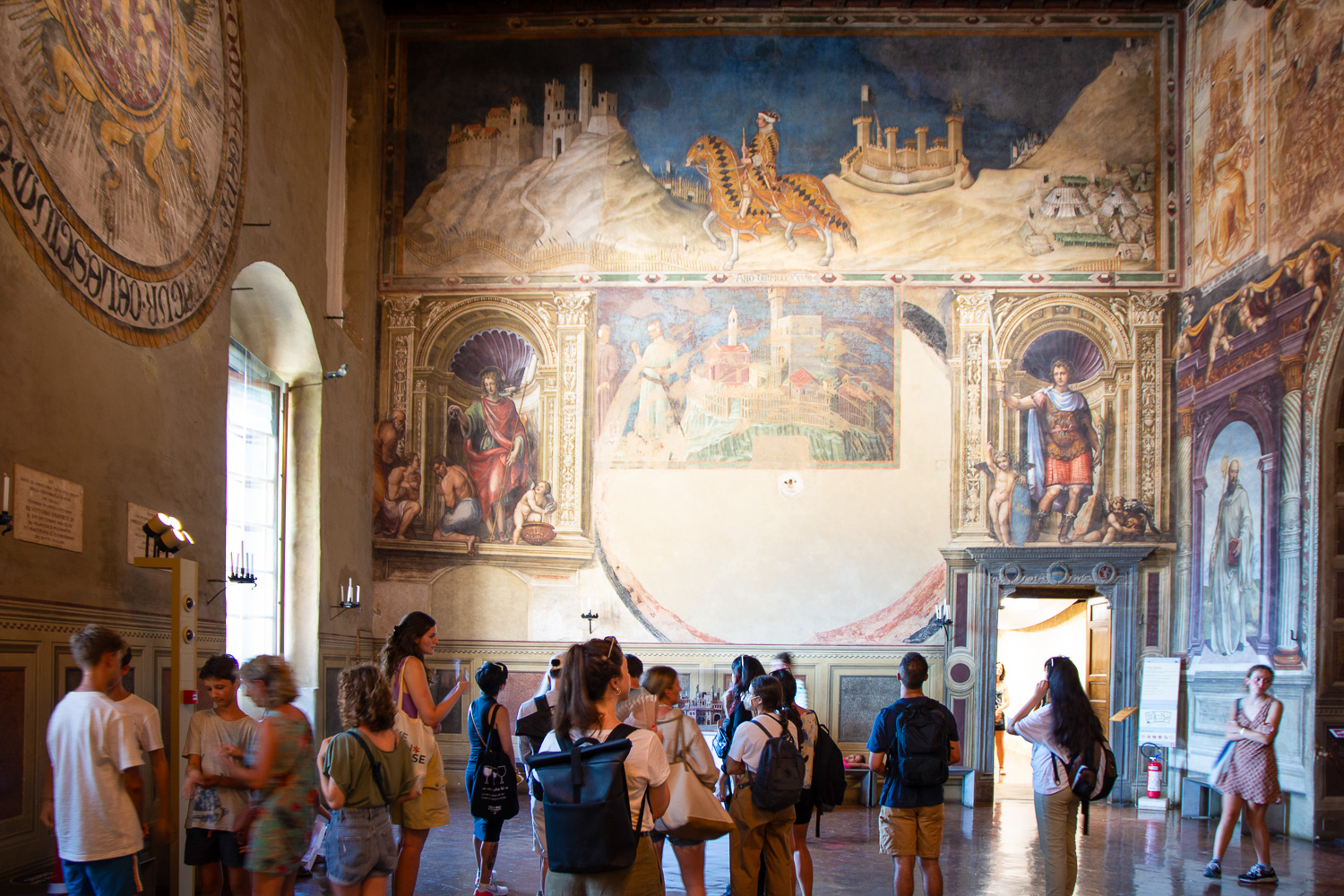
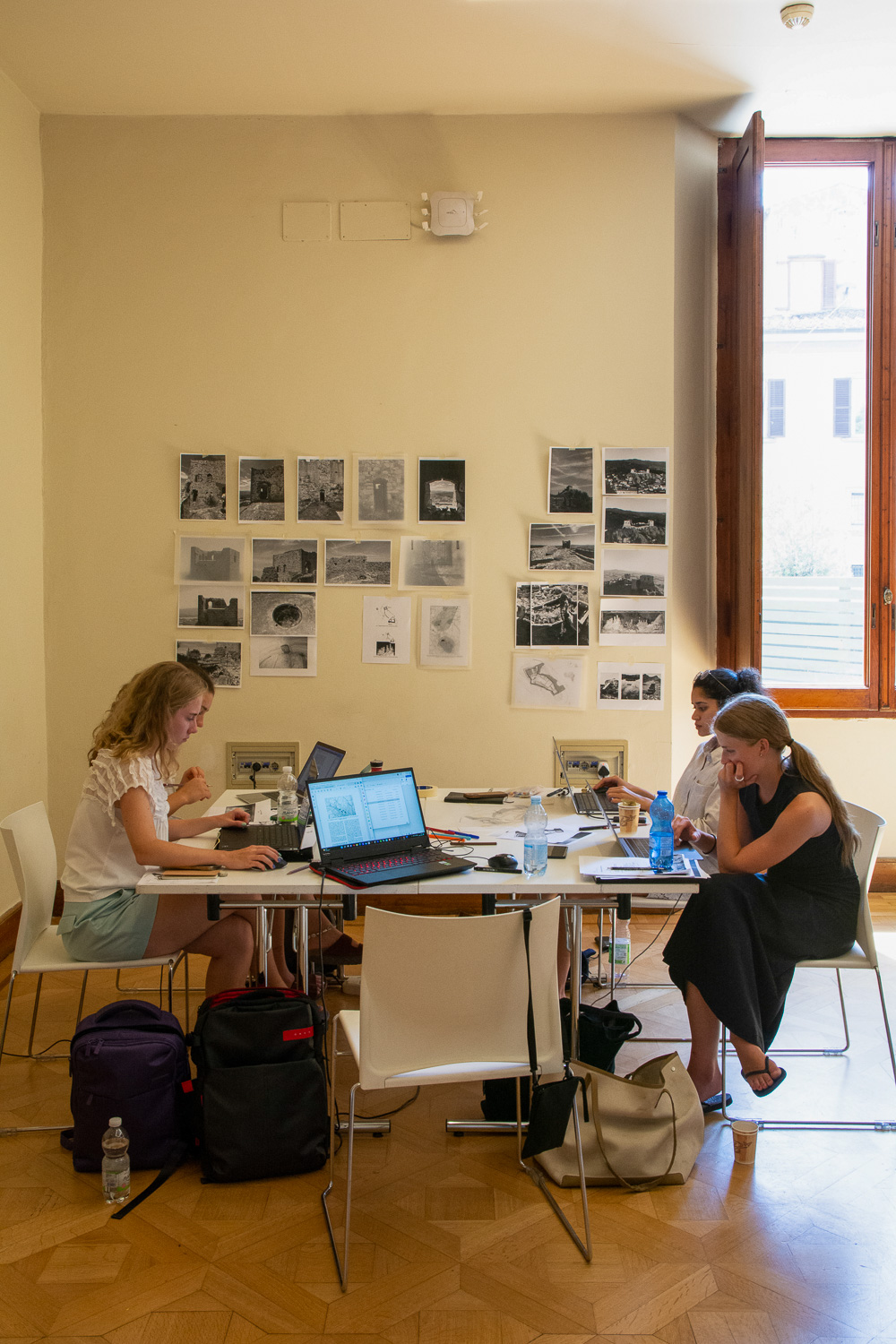
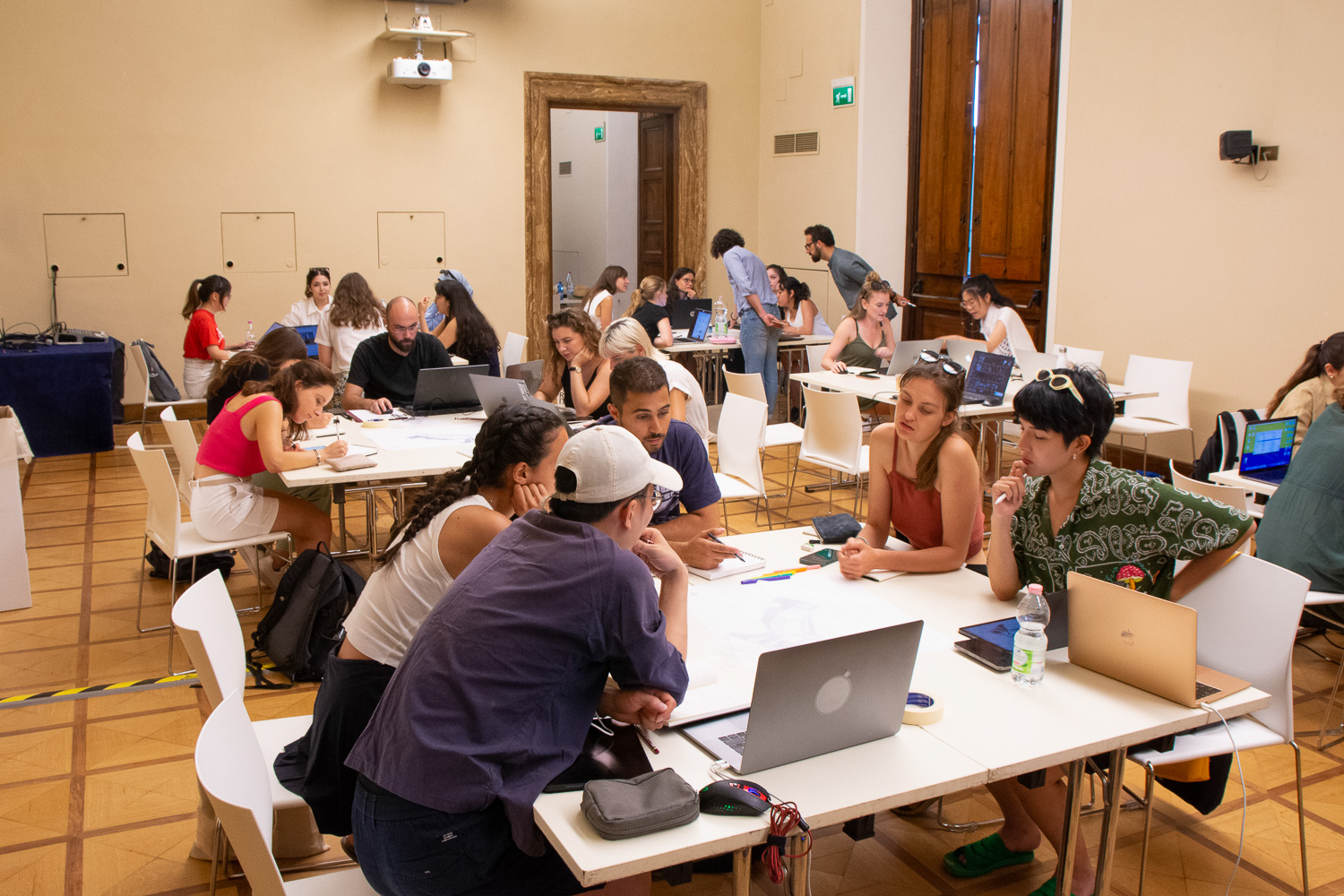
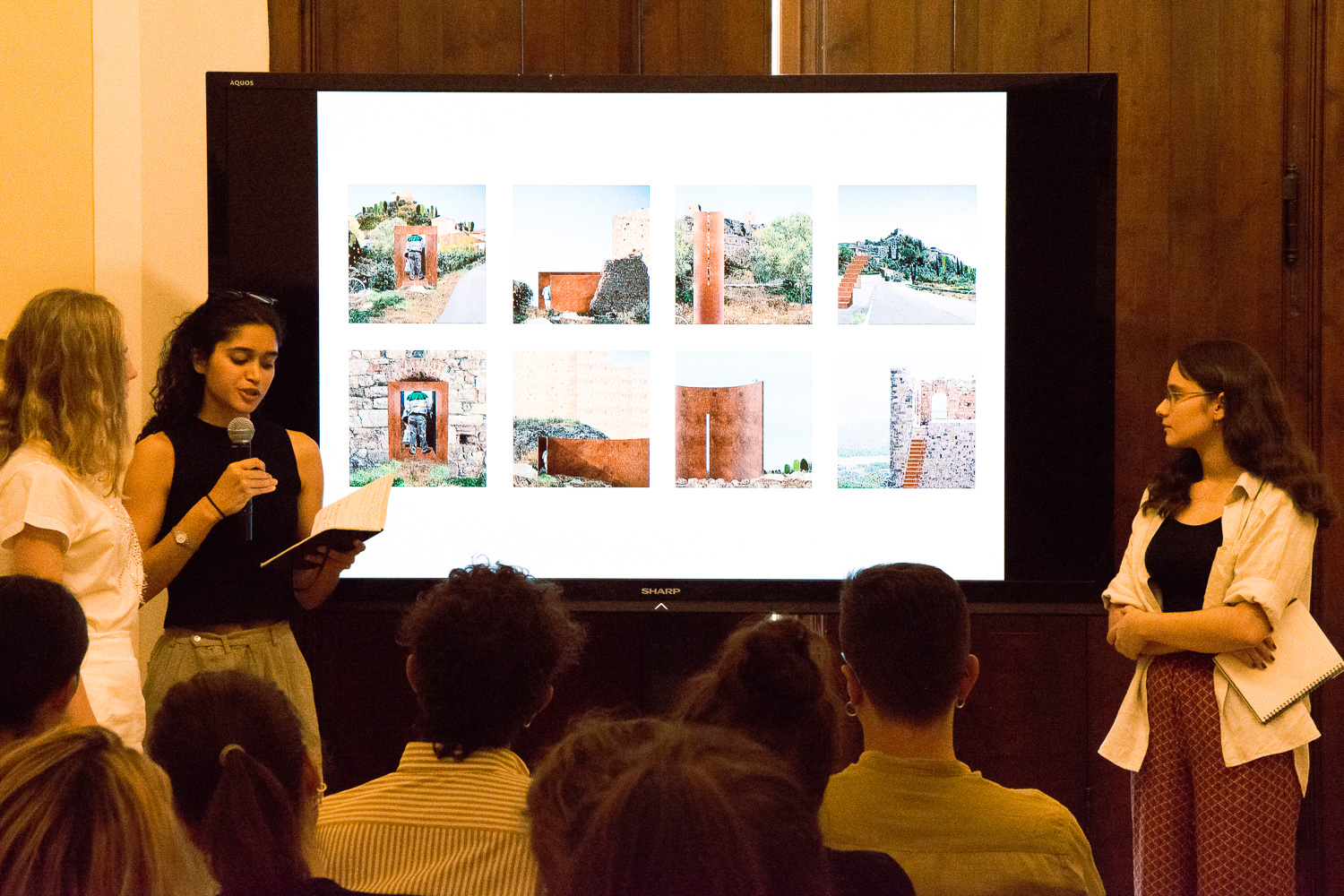
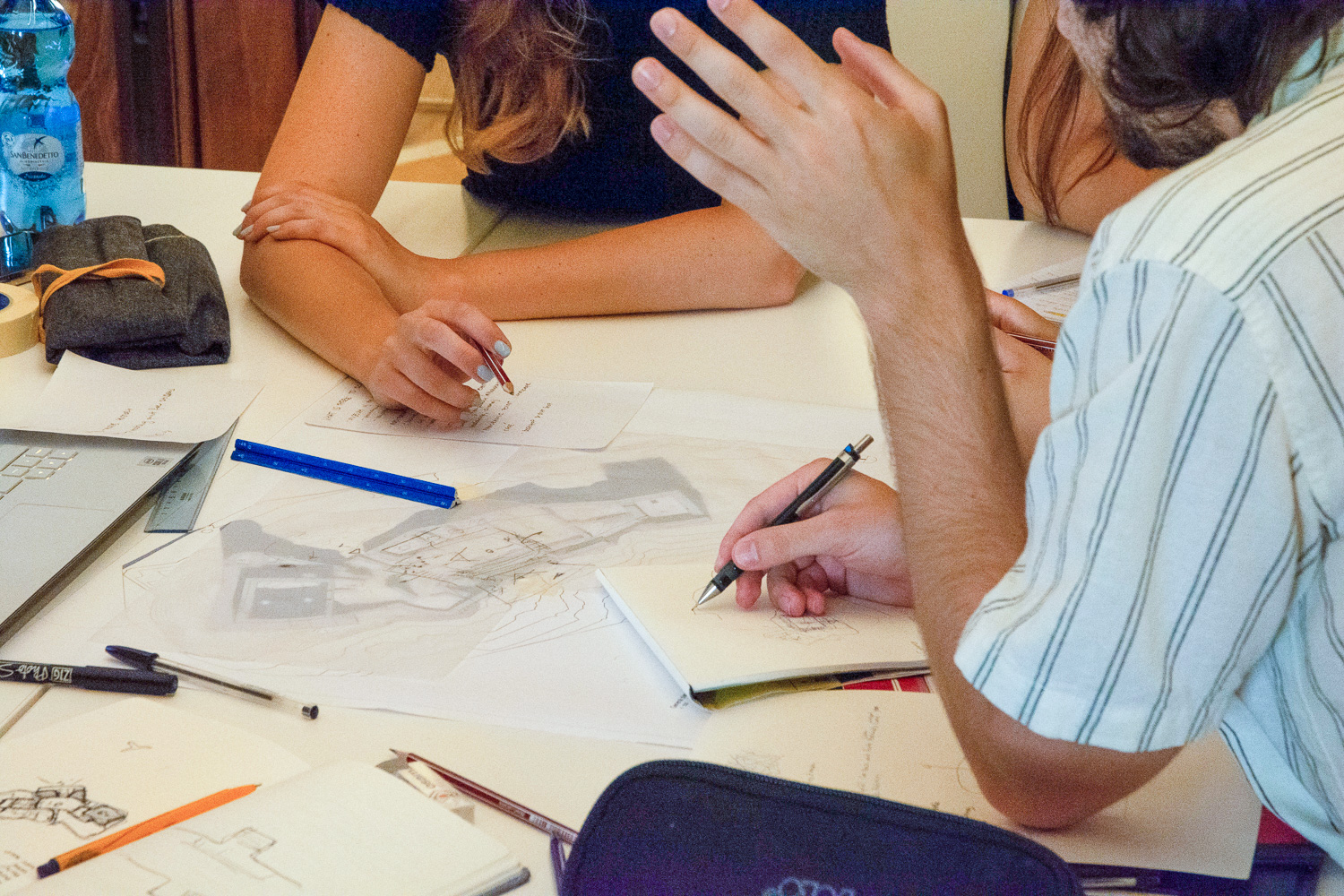
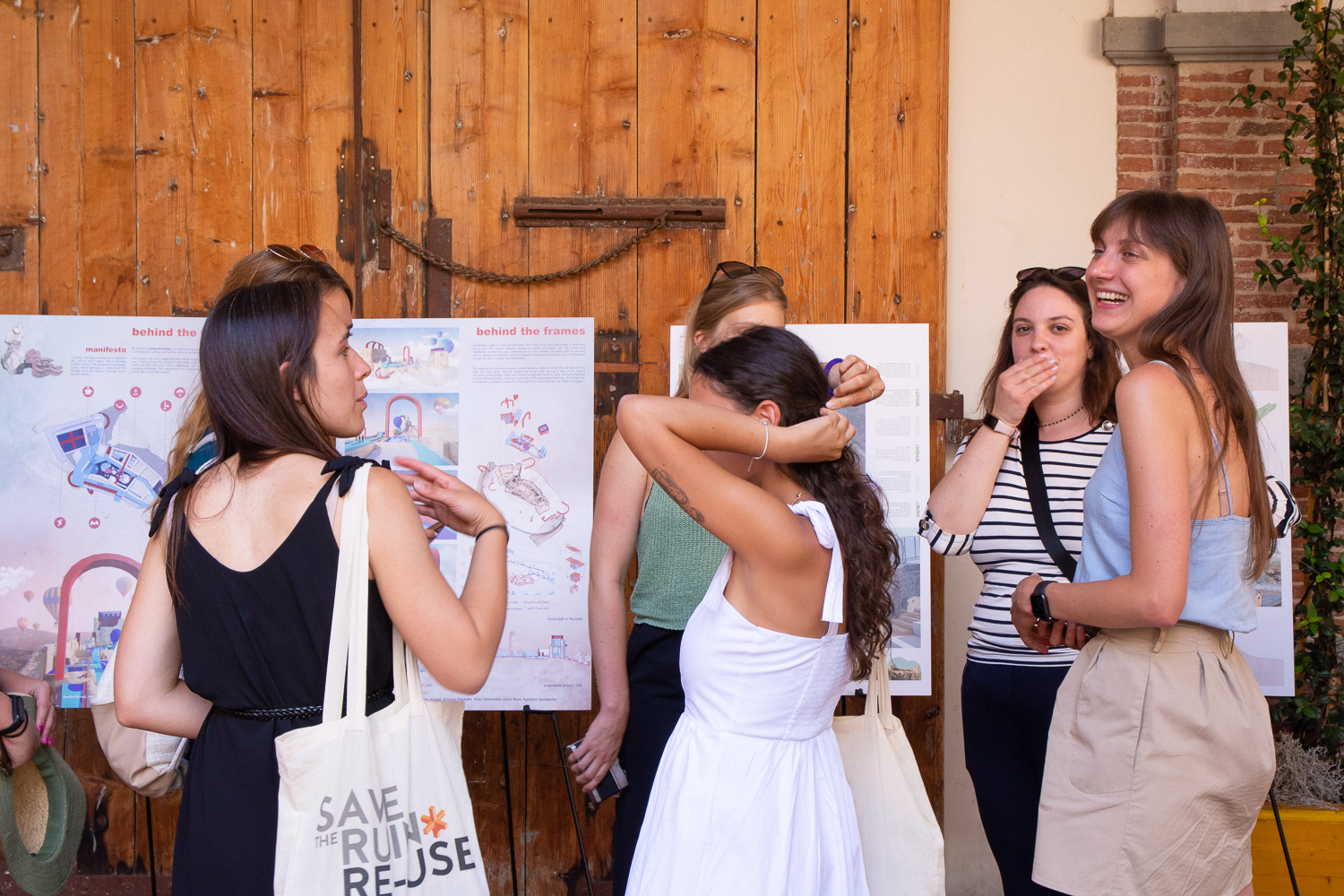
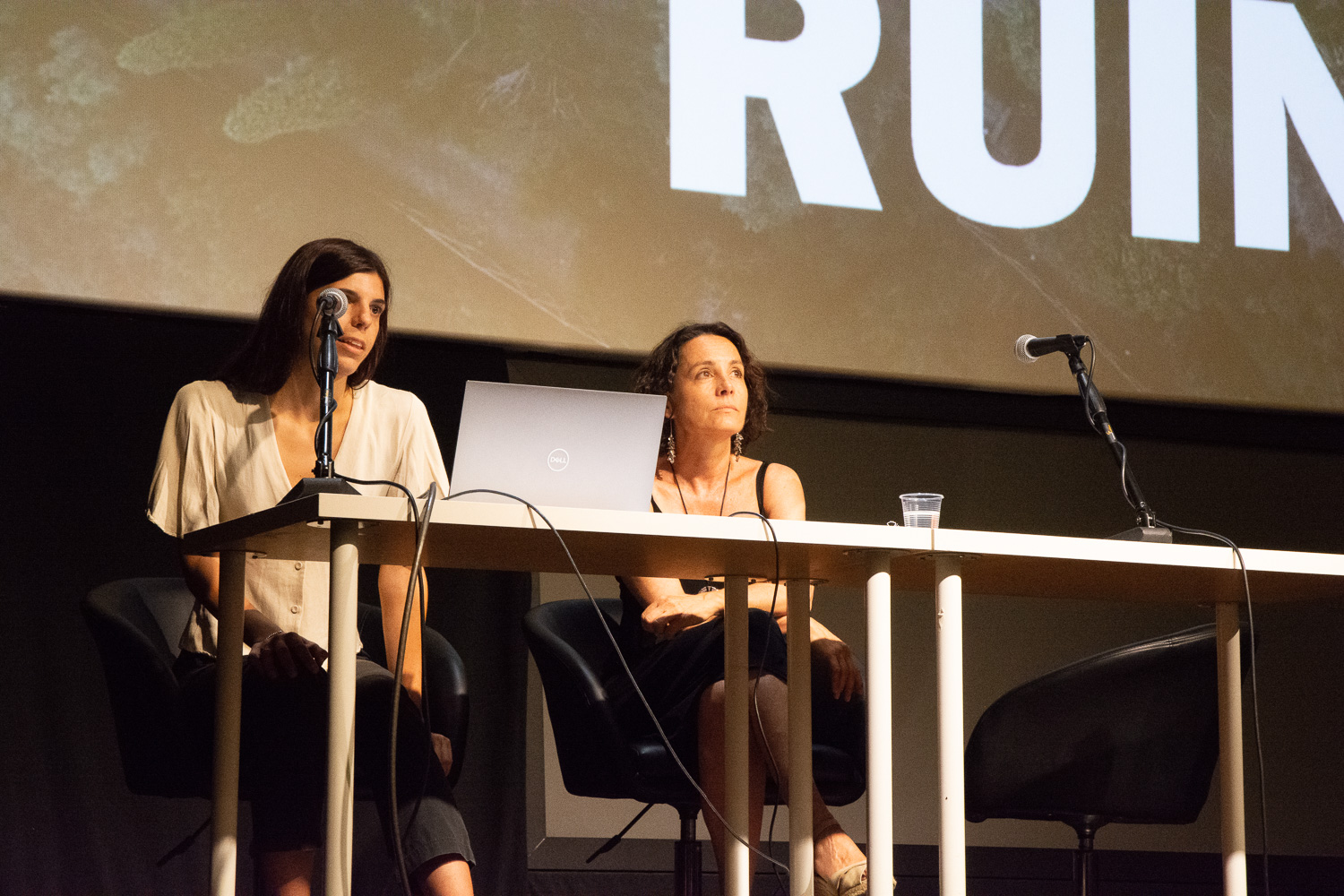
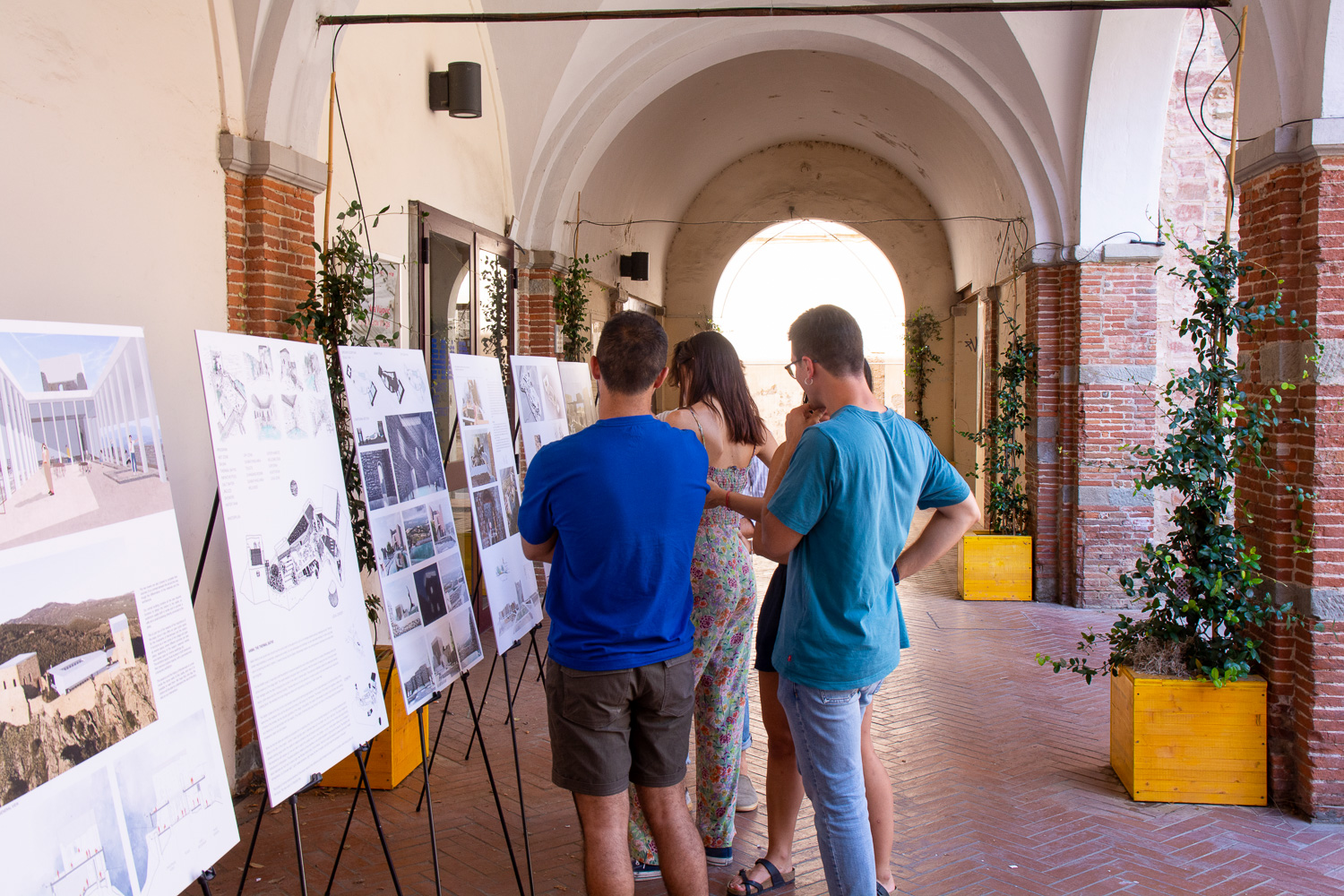
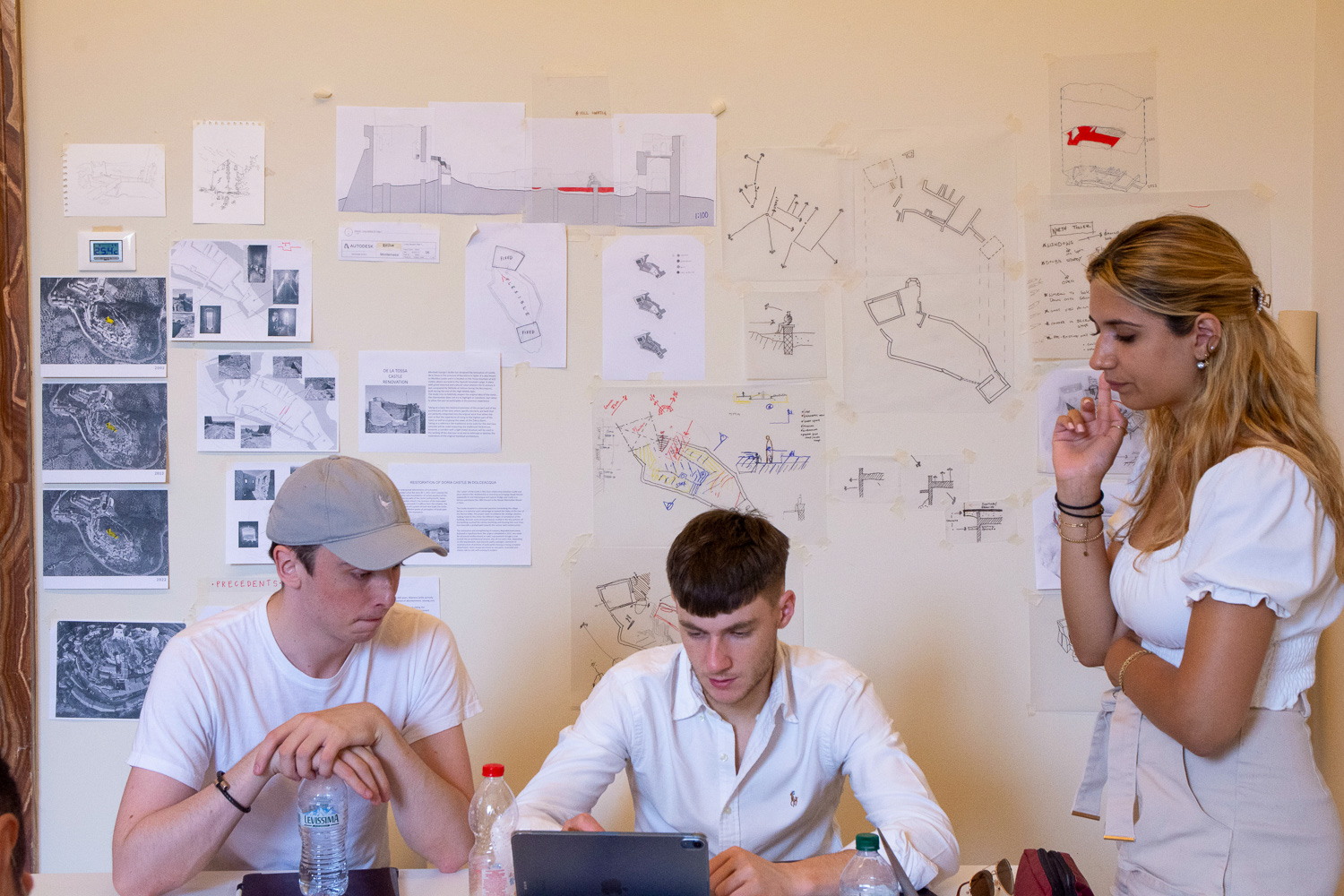
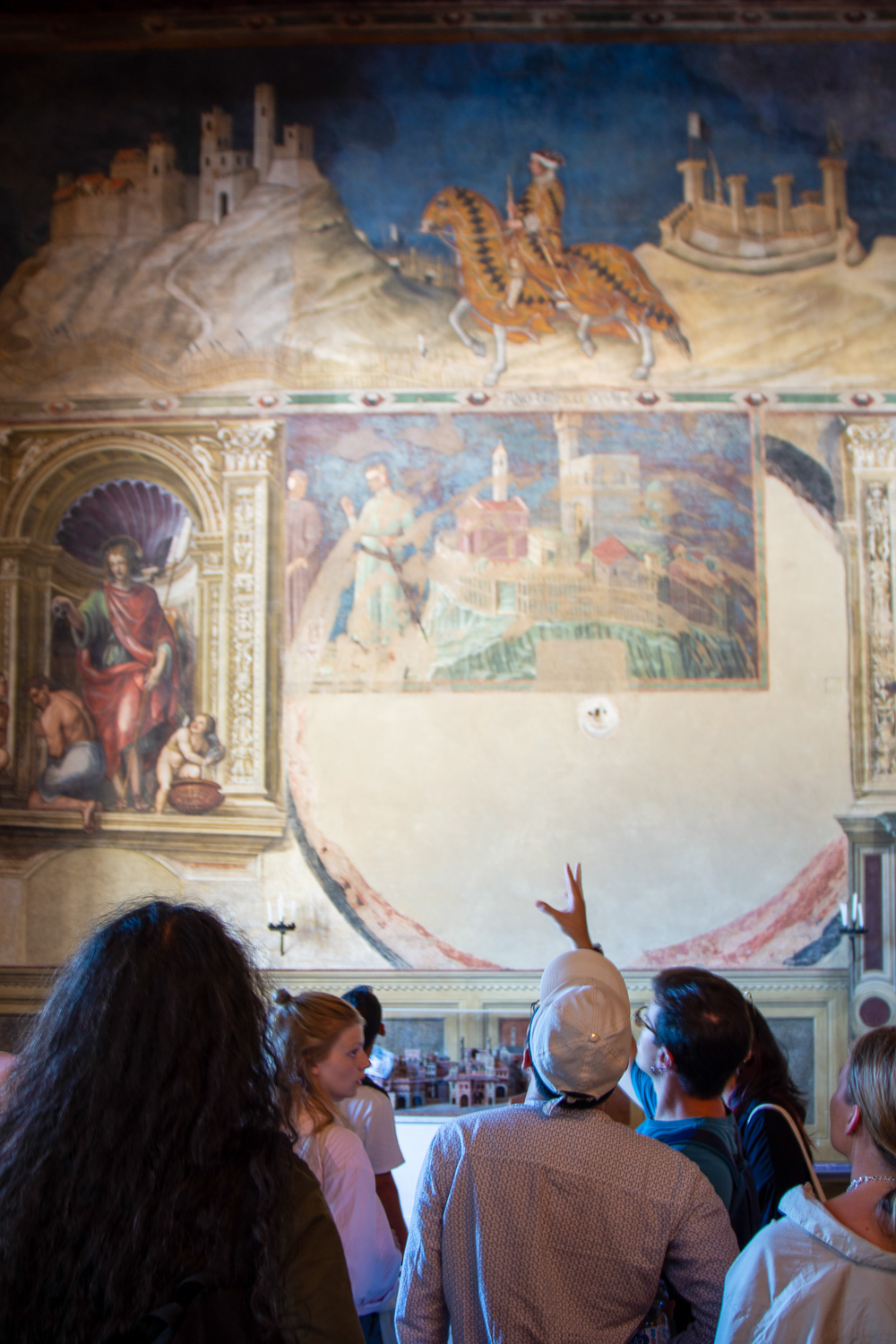
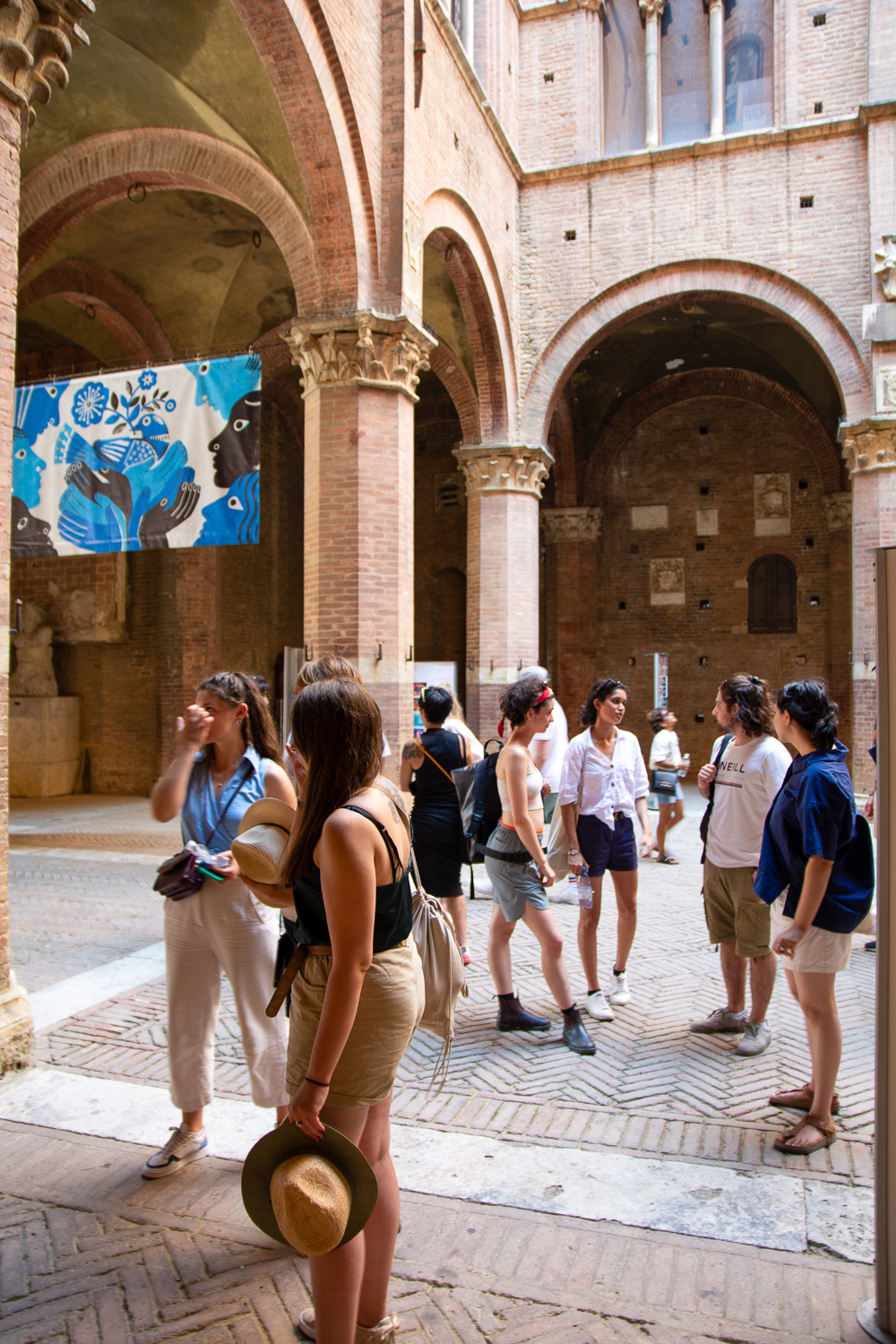
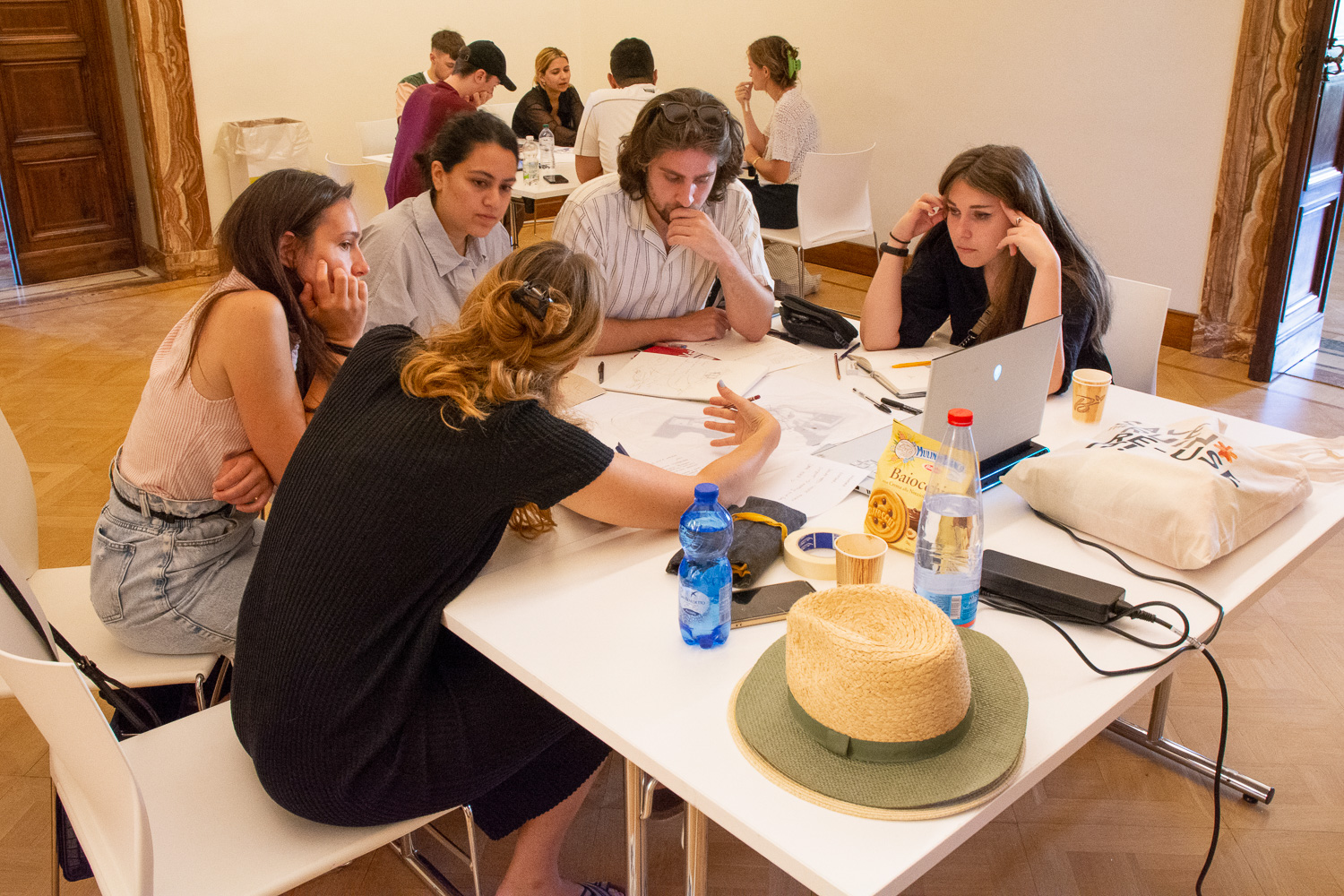
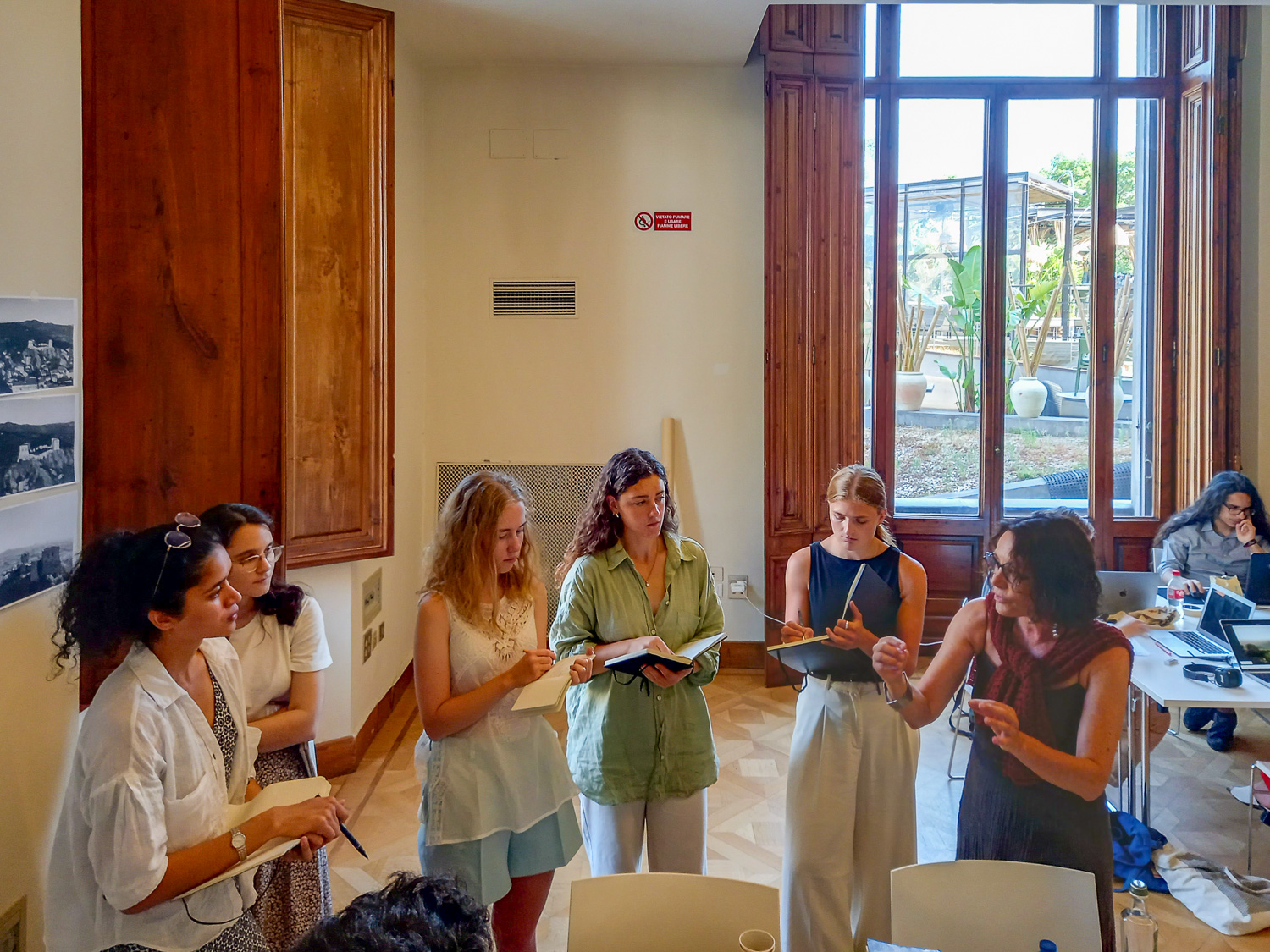
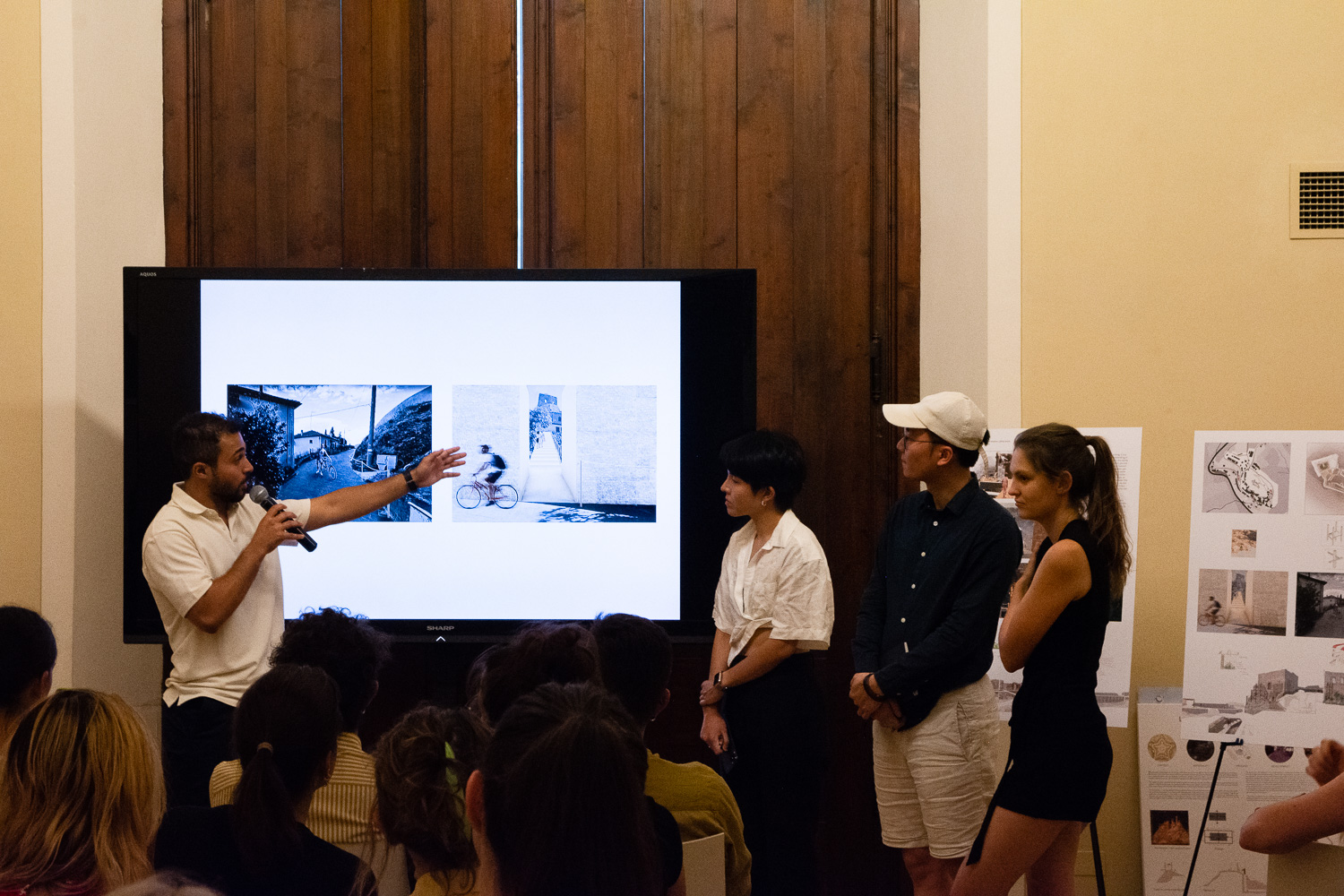
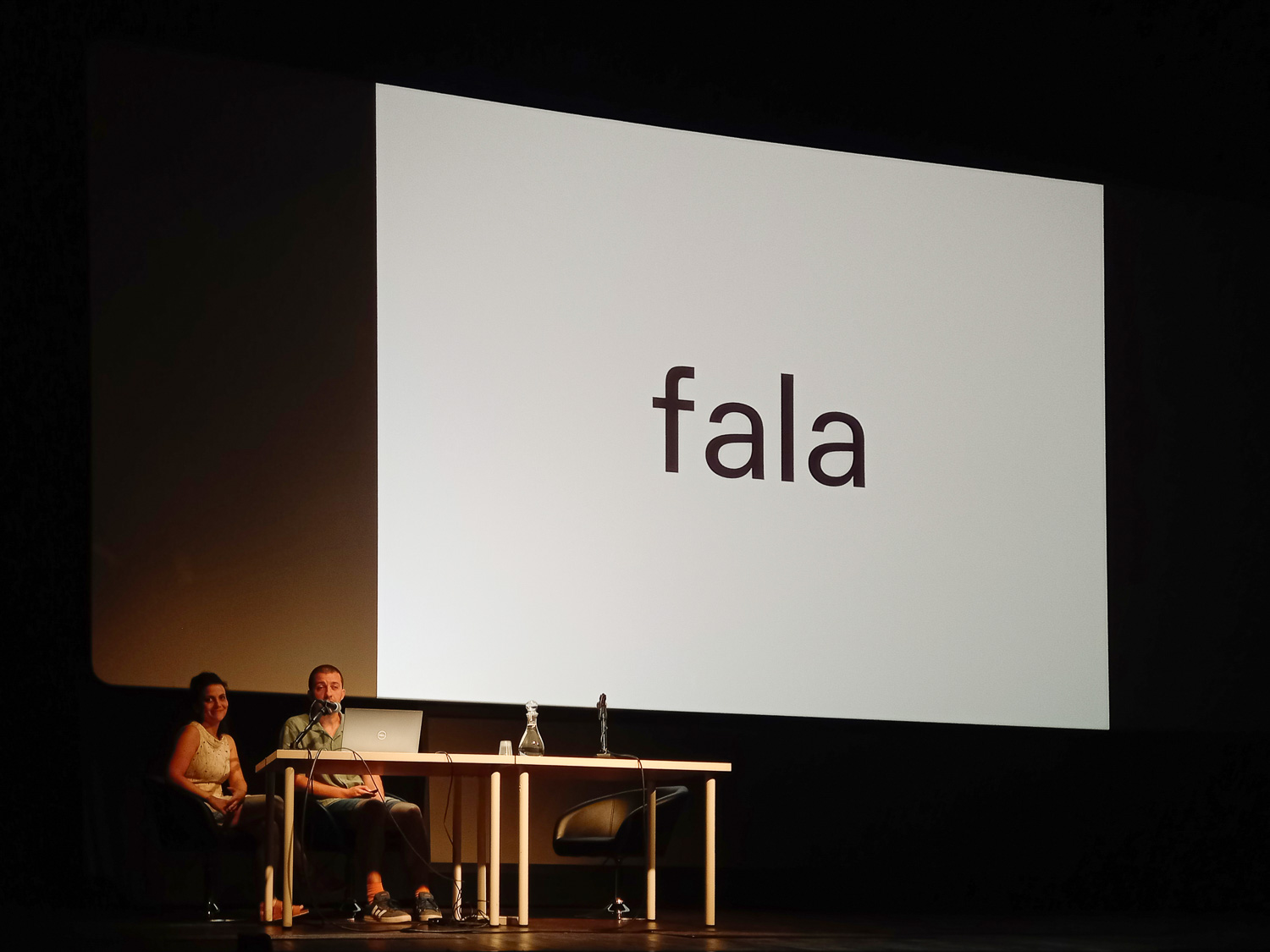
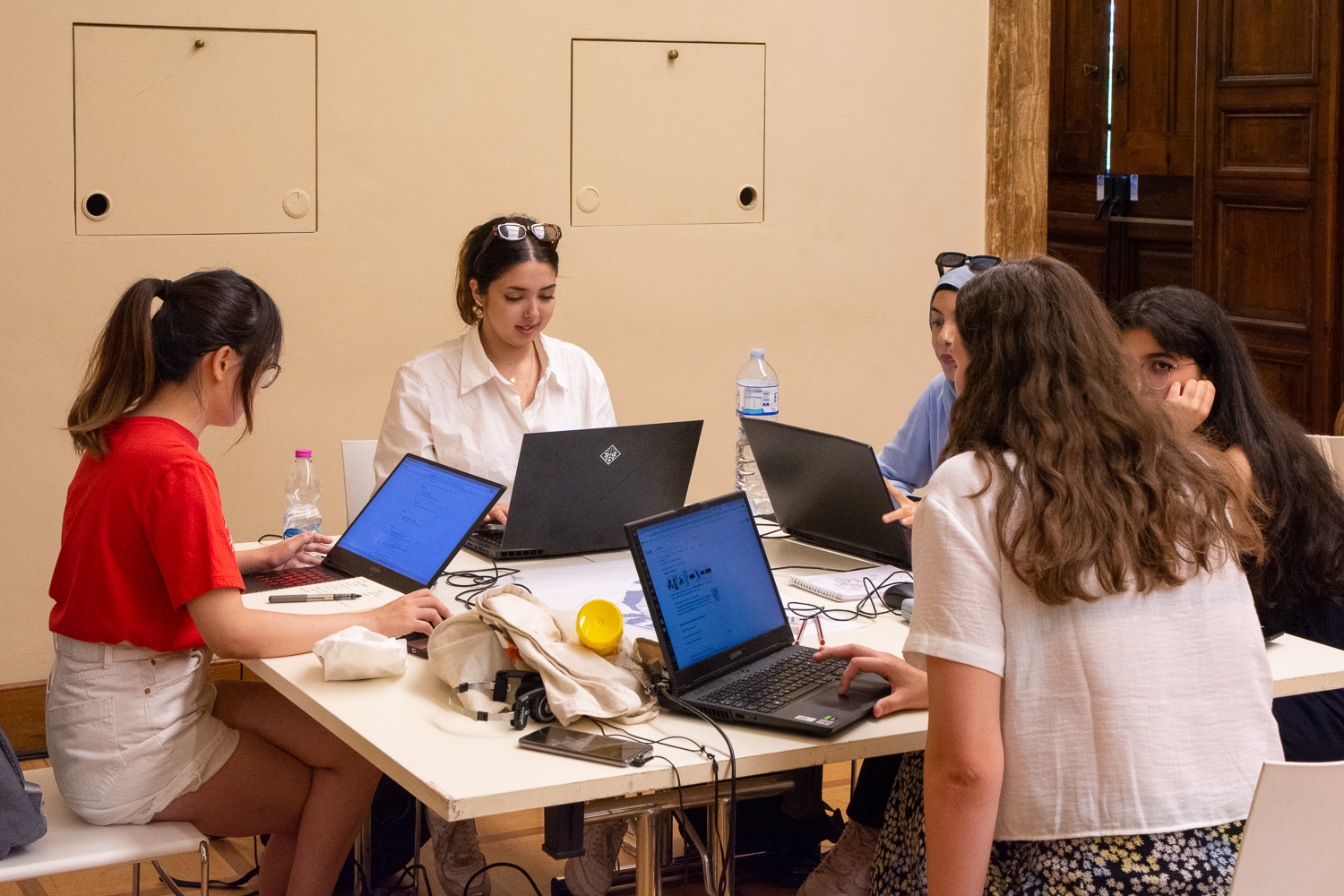
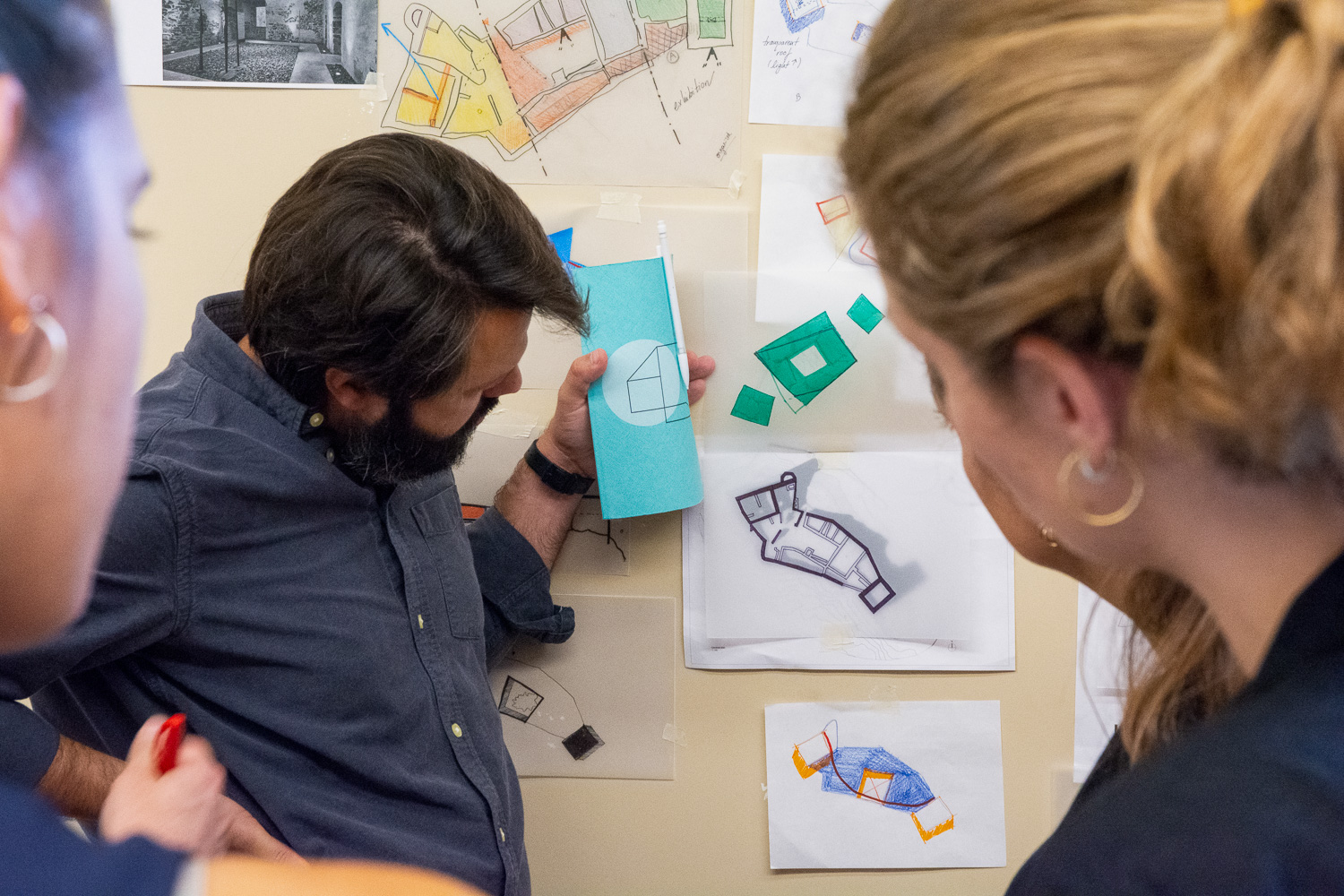
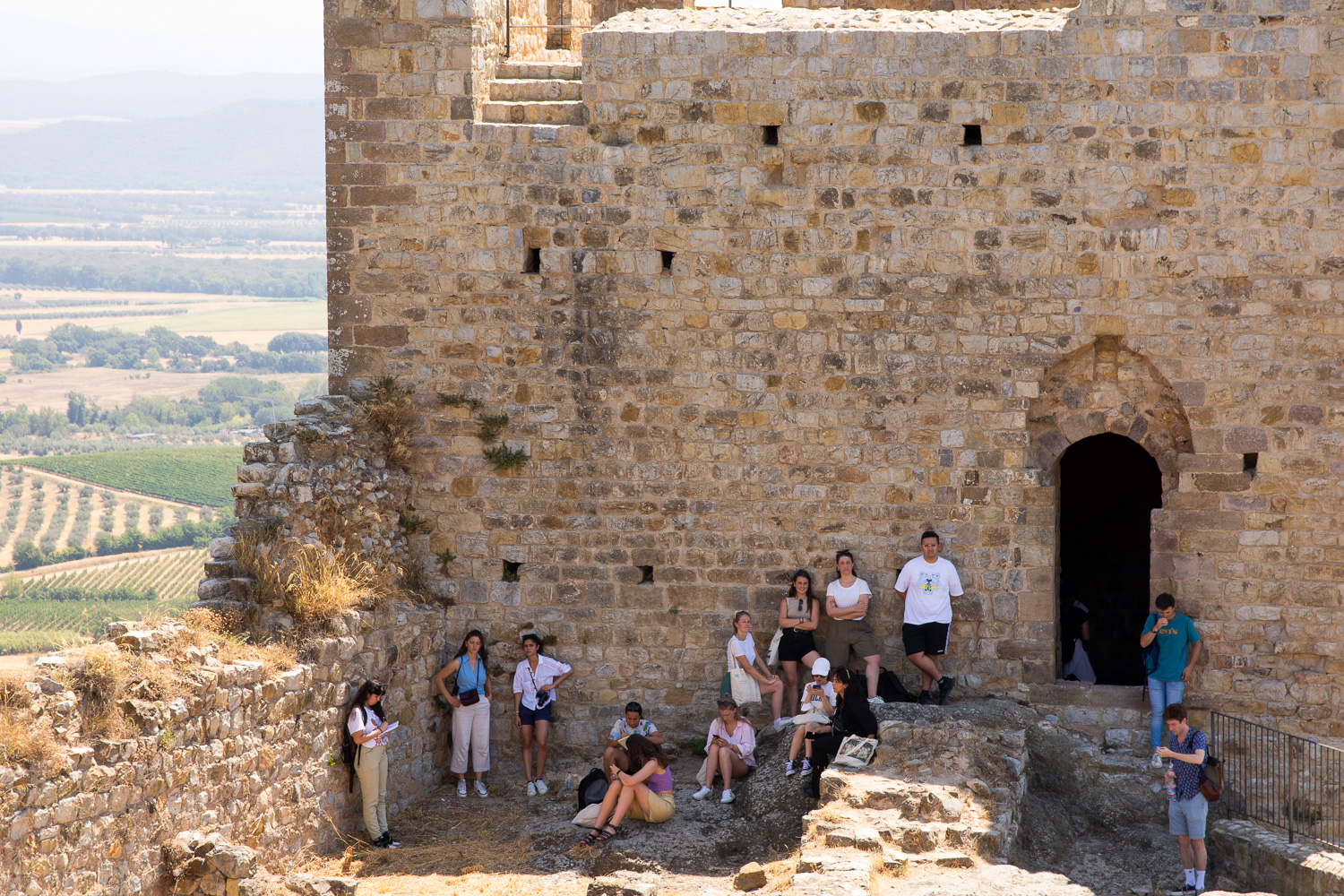
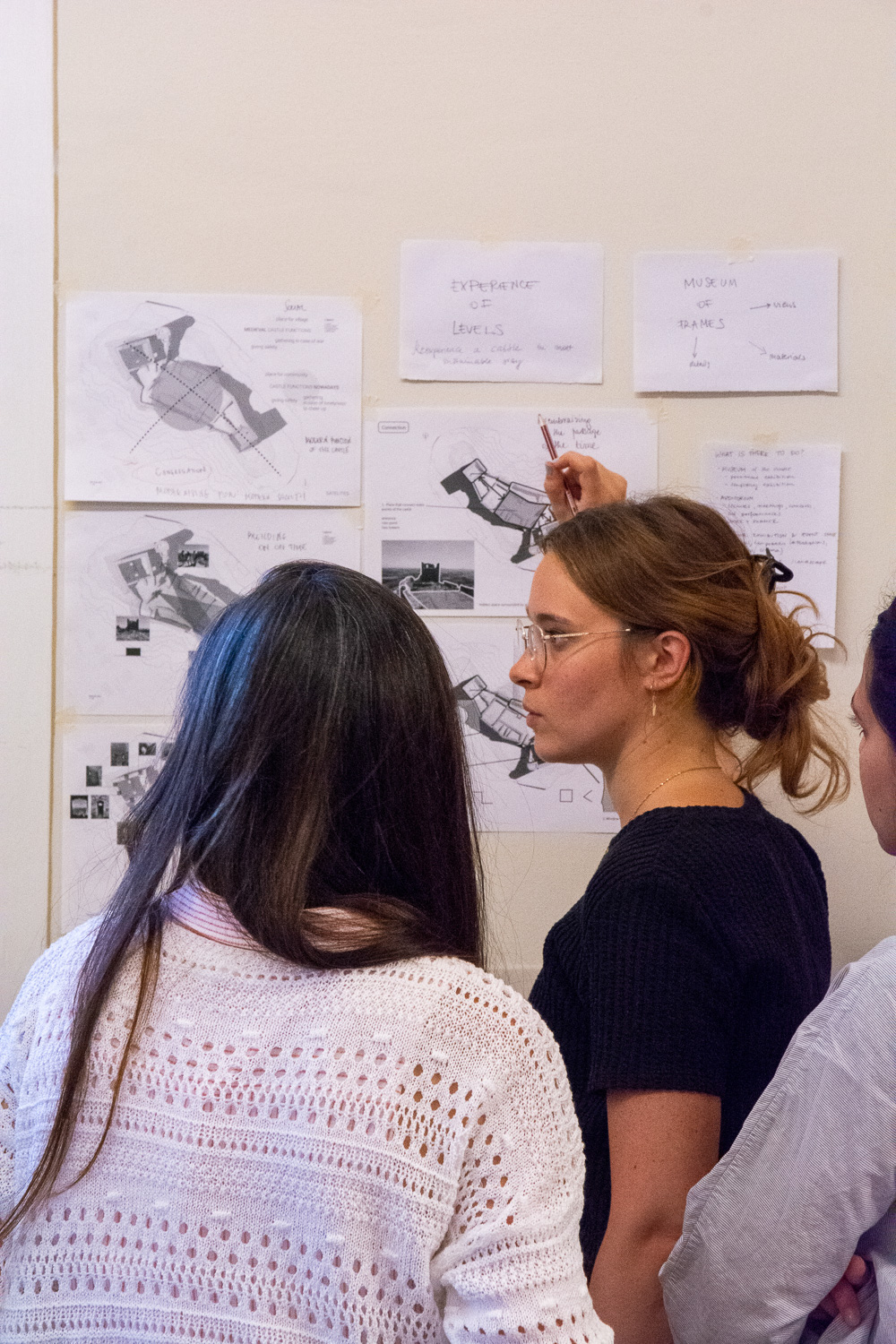
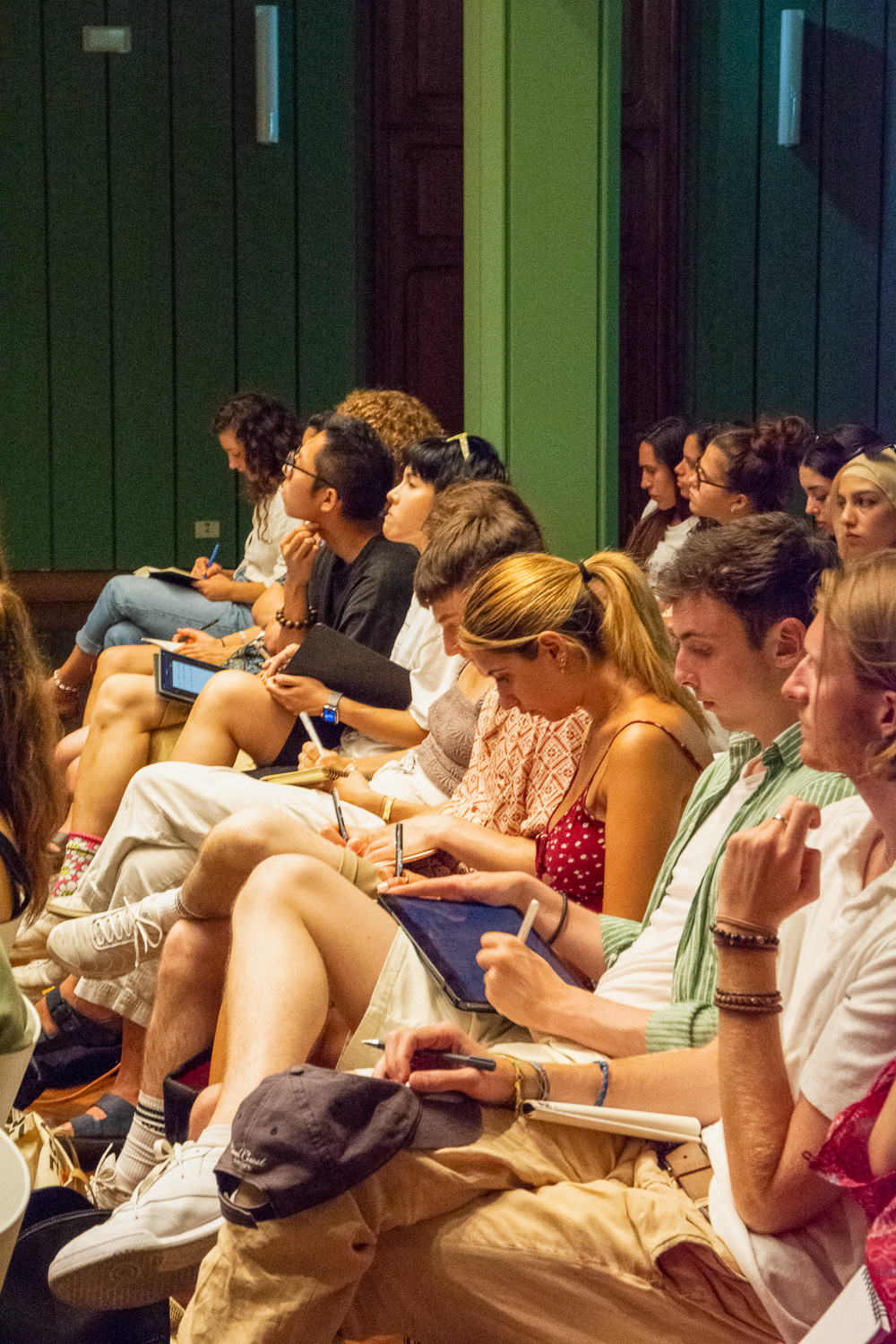
The second edition of the Summer School took place from July 22nd to July 31st, 2022, and the core case study was the adaptive reuse of the castle of Montemassi in Roccastrada: after an on-site inspection in Montemassi, participants worked in teams to develop reuse proposals for a medieval castle, iterating daily through reviews and “learning-by-doing” workshop sessions. The didactic framework was strengthened by lectures and critiques from international practices—including Max Dudler, Meritxell Inaraja, Fala Atelier, Carles Enrich, Edoardo Milesi—alongside Italian university professors.
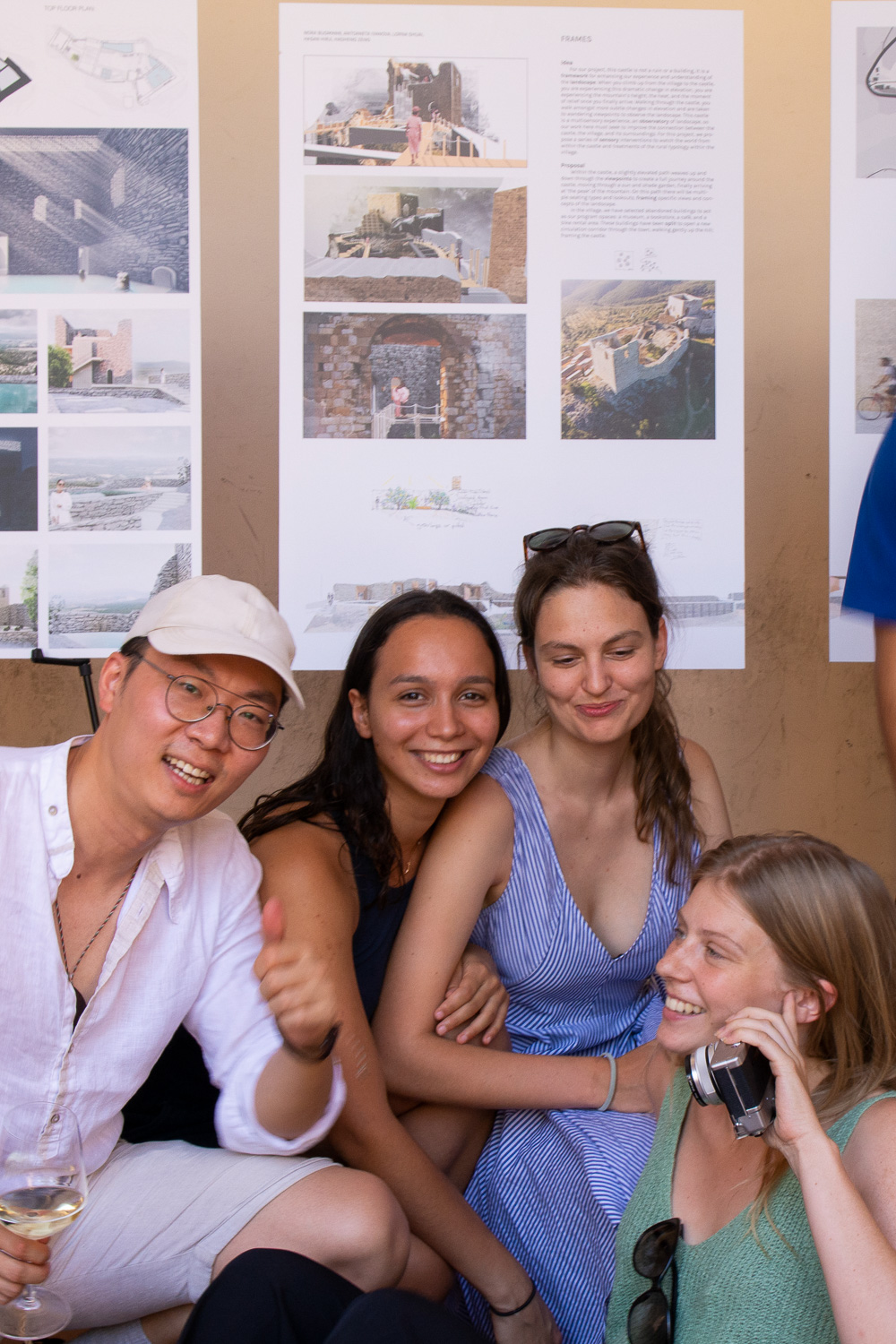
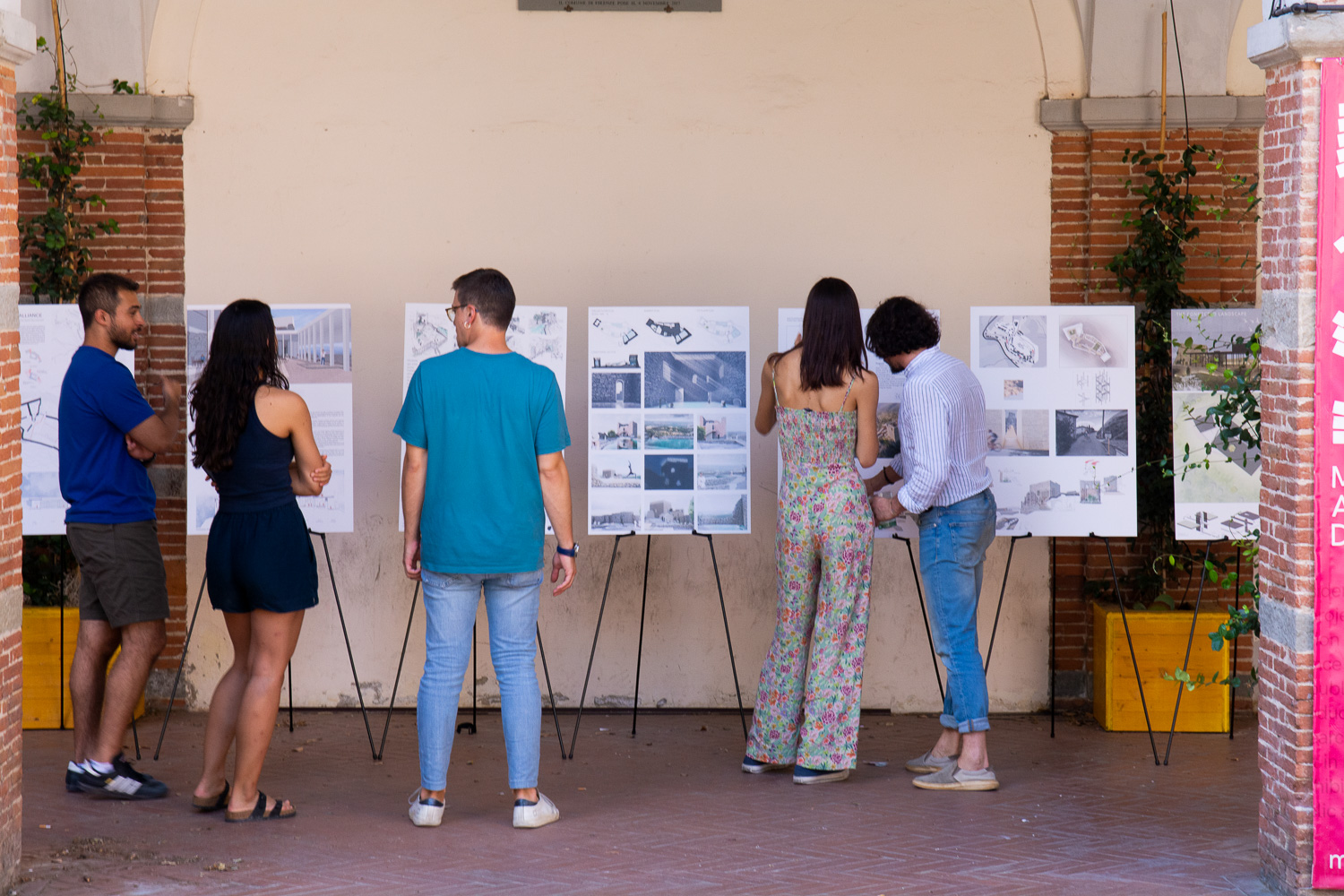
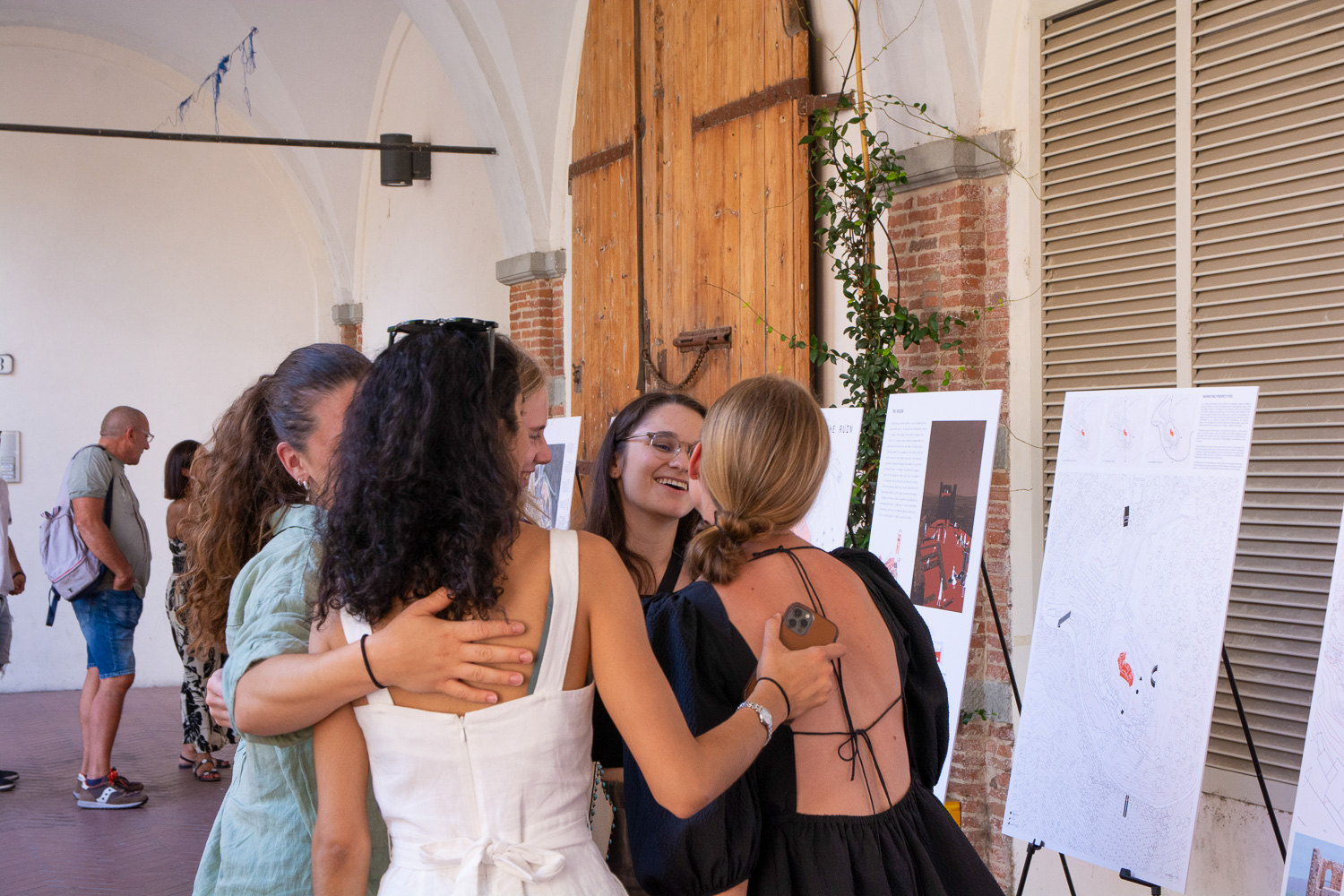
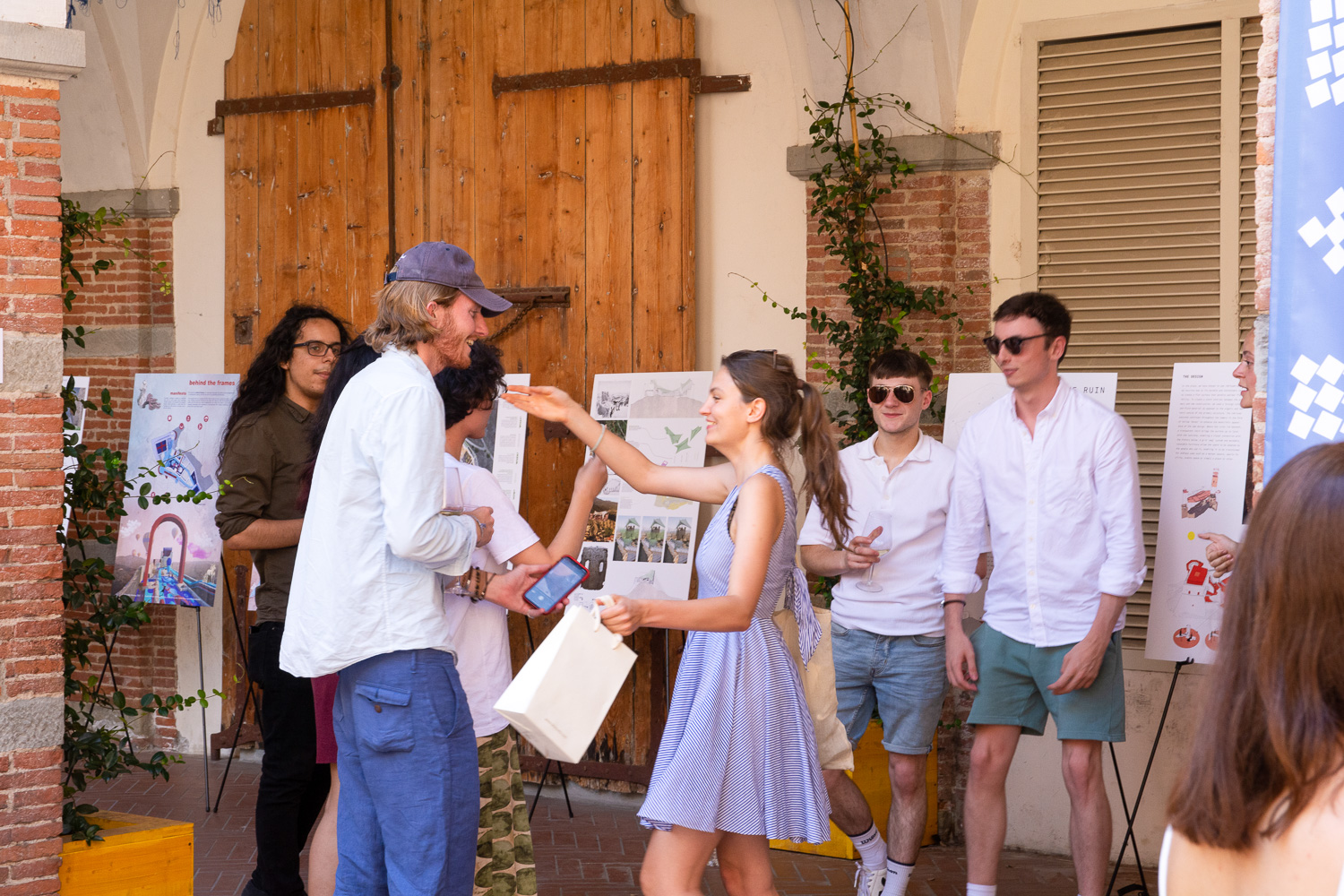
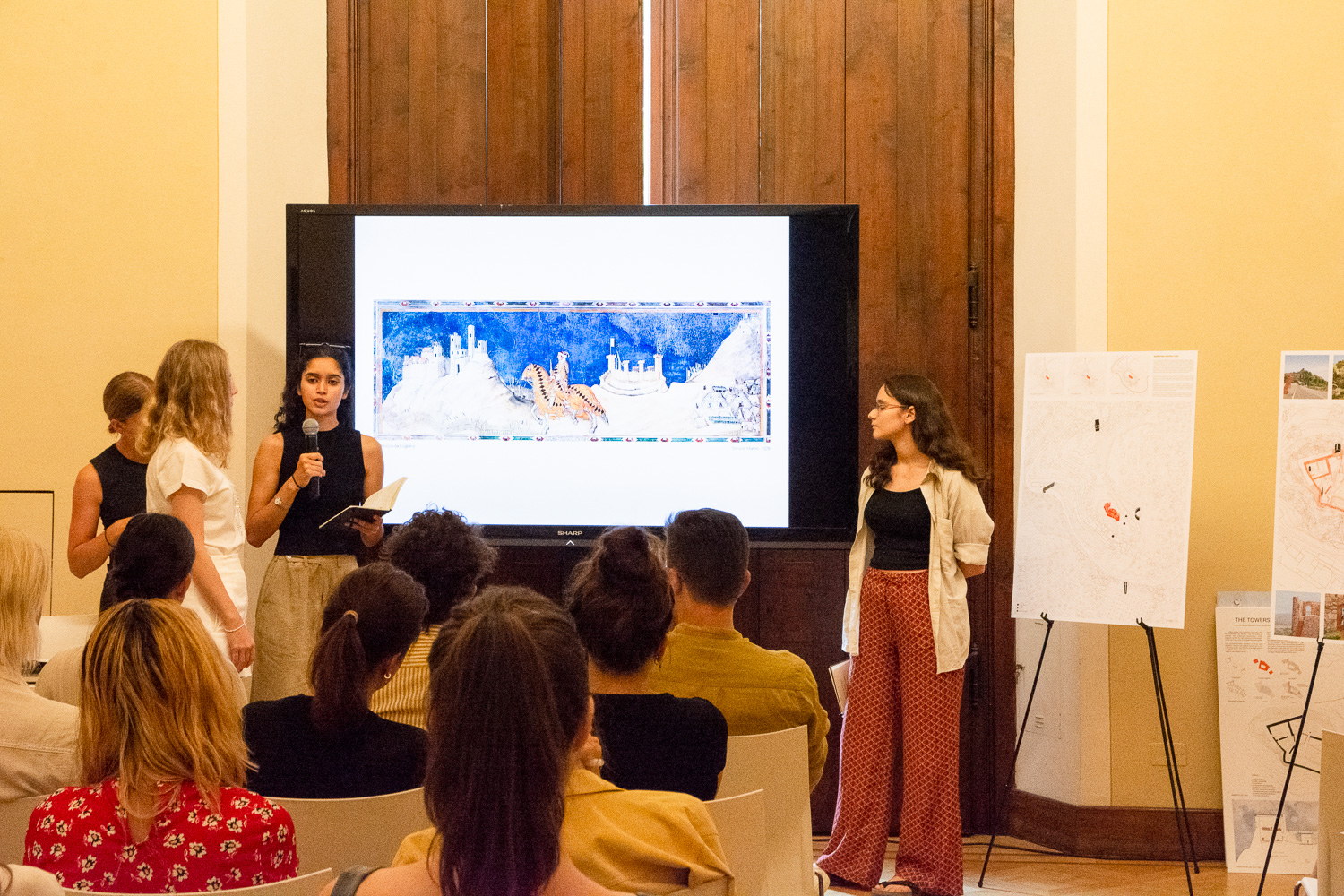
The initiative was anchored by local institutional partners, and it also sits under the patronage of the City of Firenze, as the main location of the event. The workshop concluded with a public final review and exhibition, involving Koozarch online magazine and guests from the Ion Mincu University of Architecture and Urbanism, Bucharest (UAUIM).
THE CASTLE OF MONTEMASSI
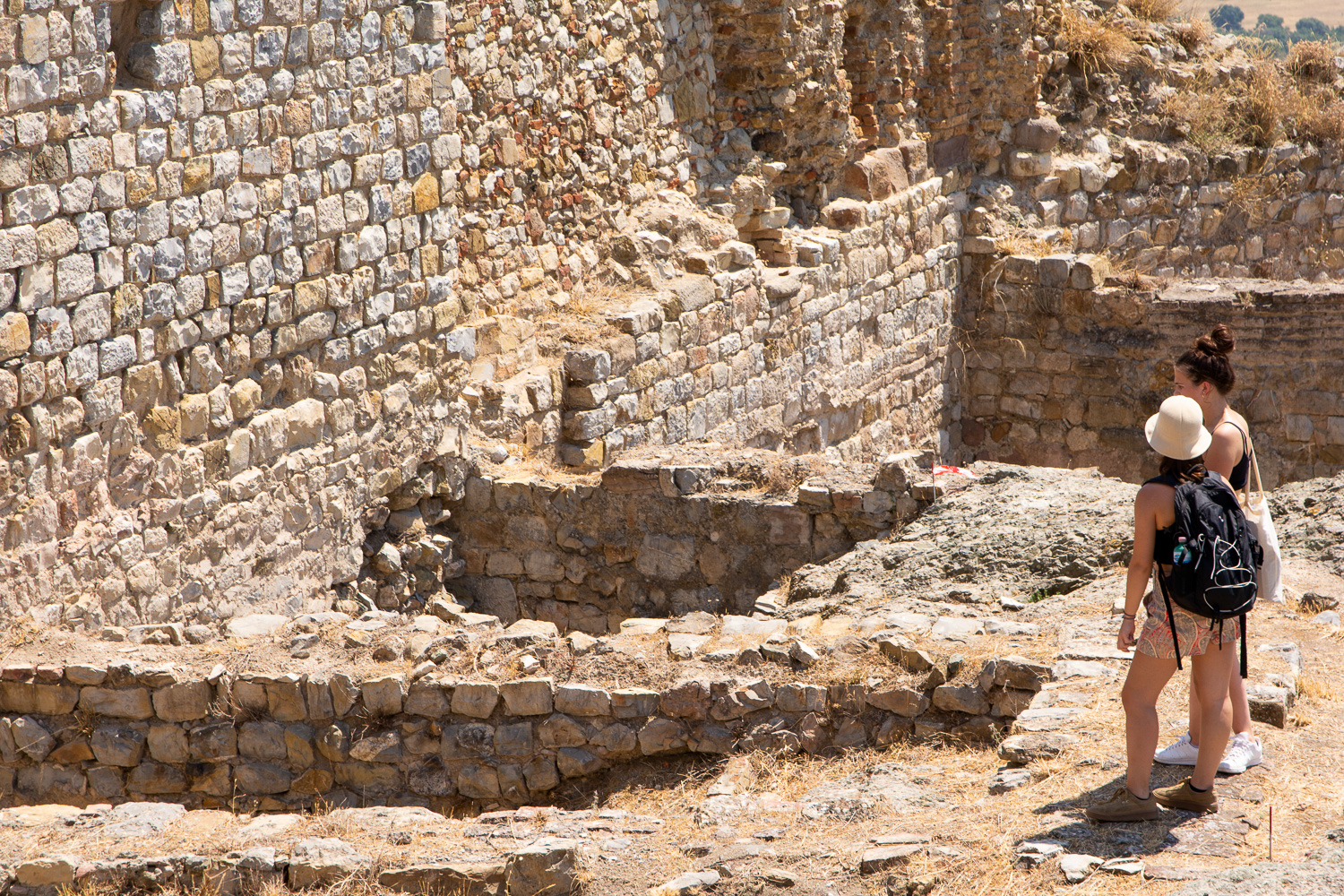
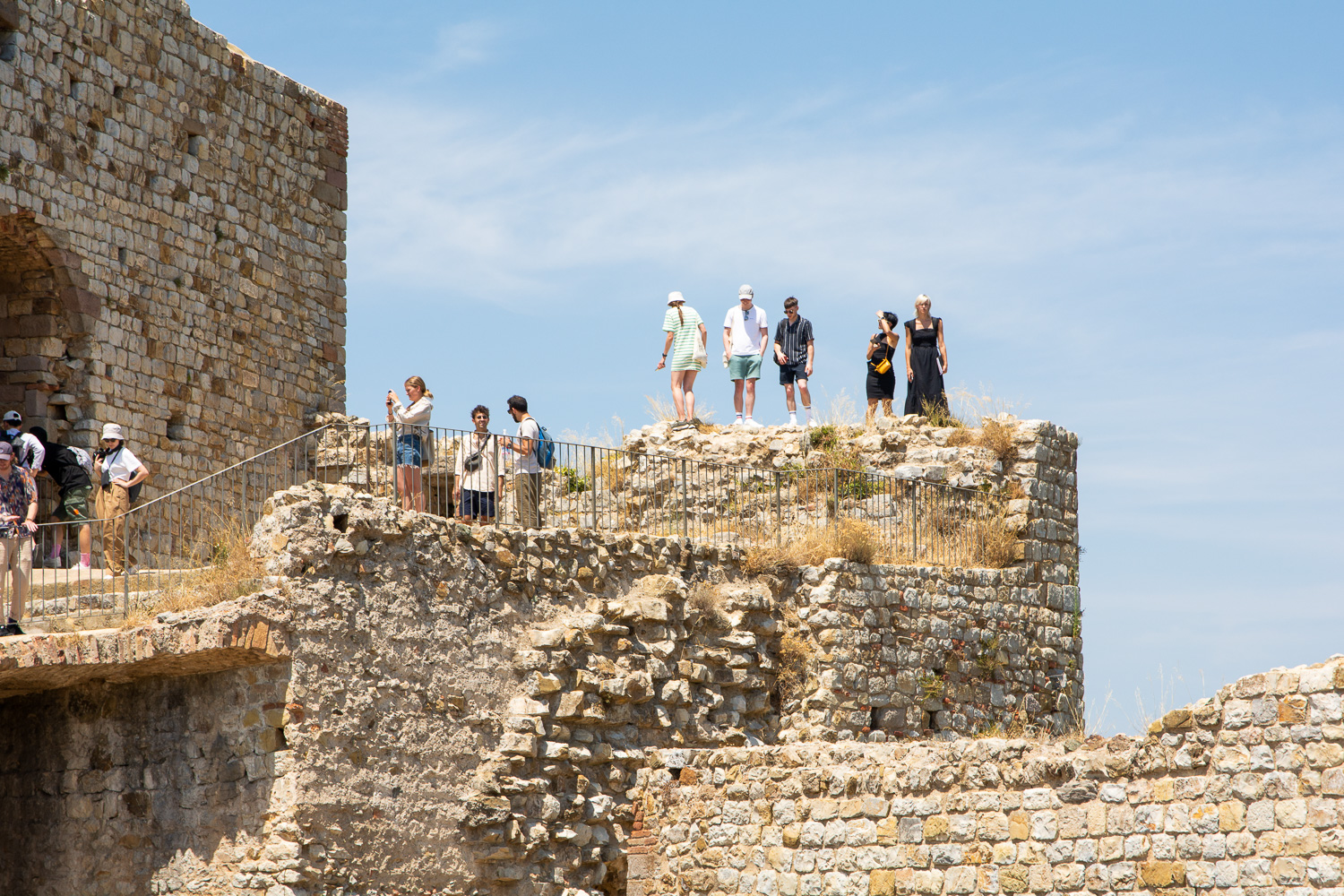
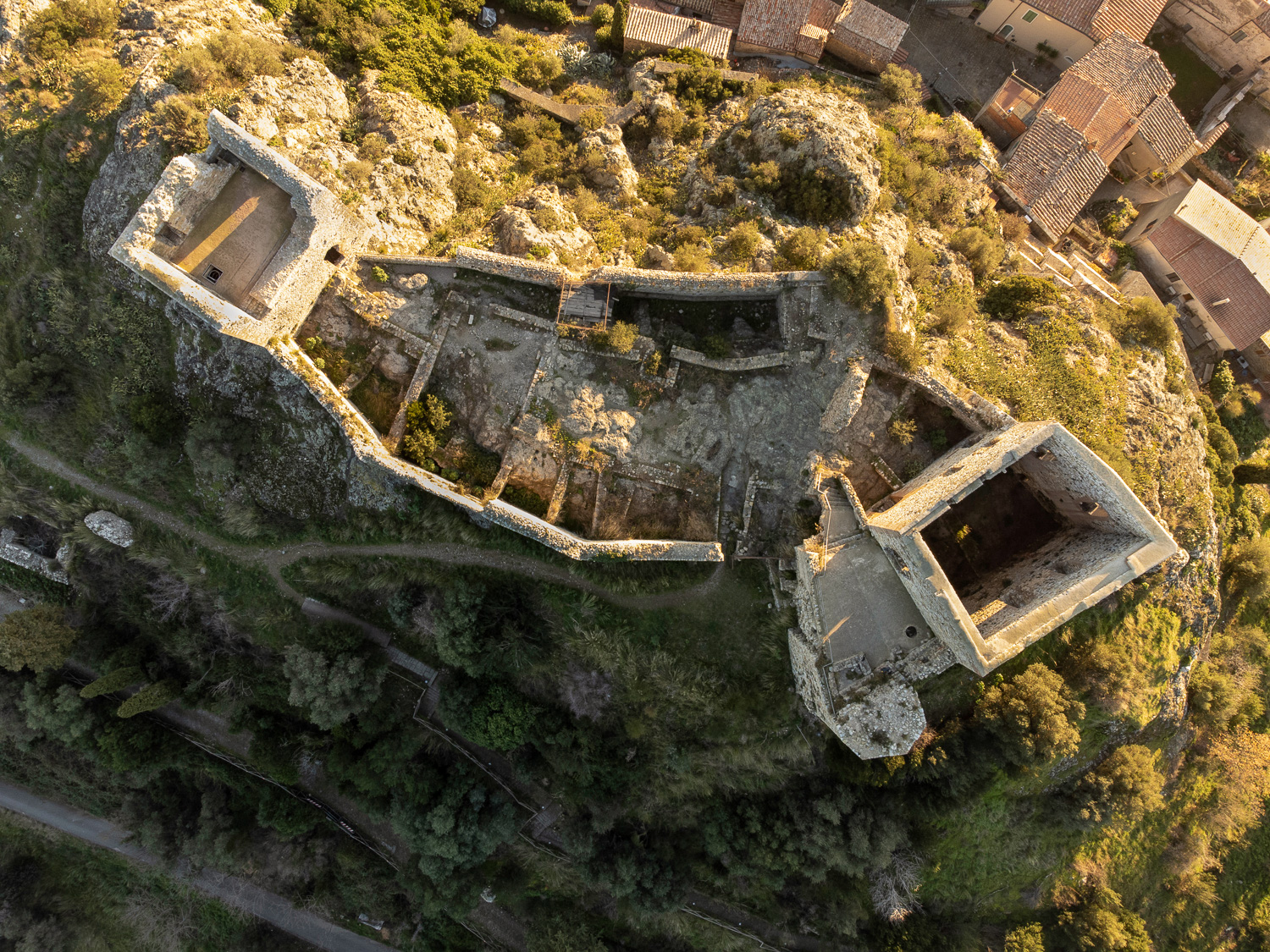
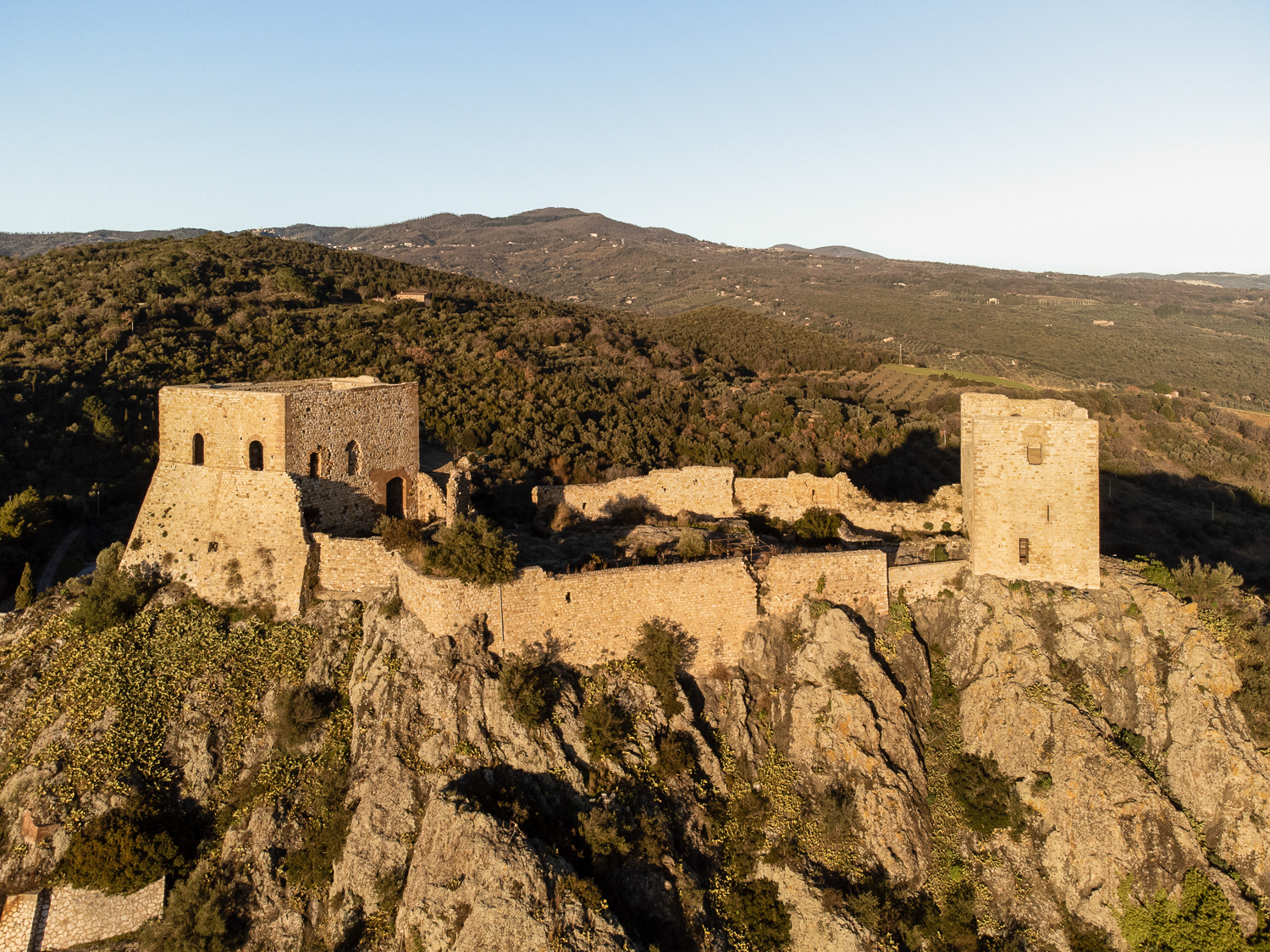
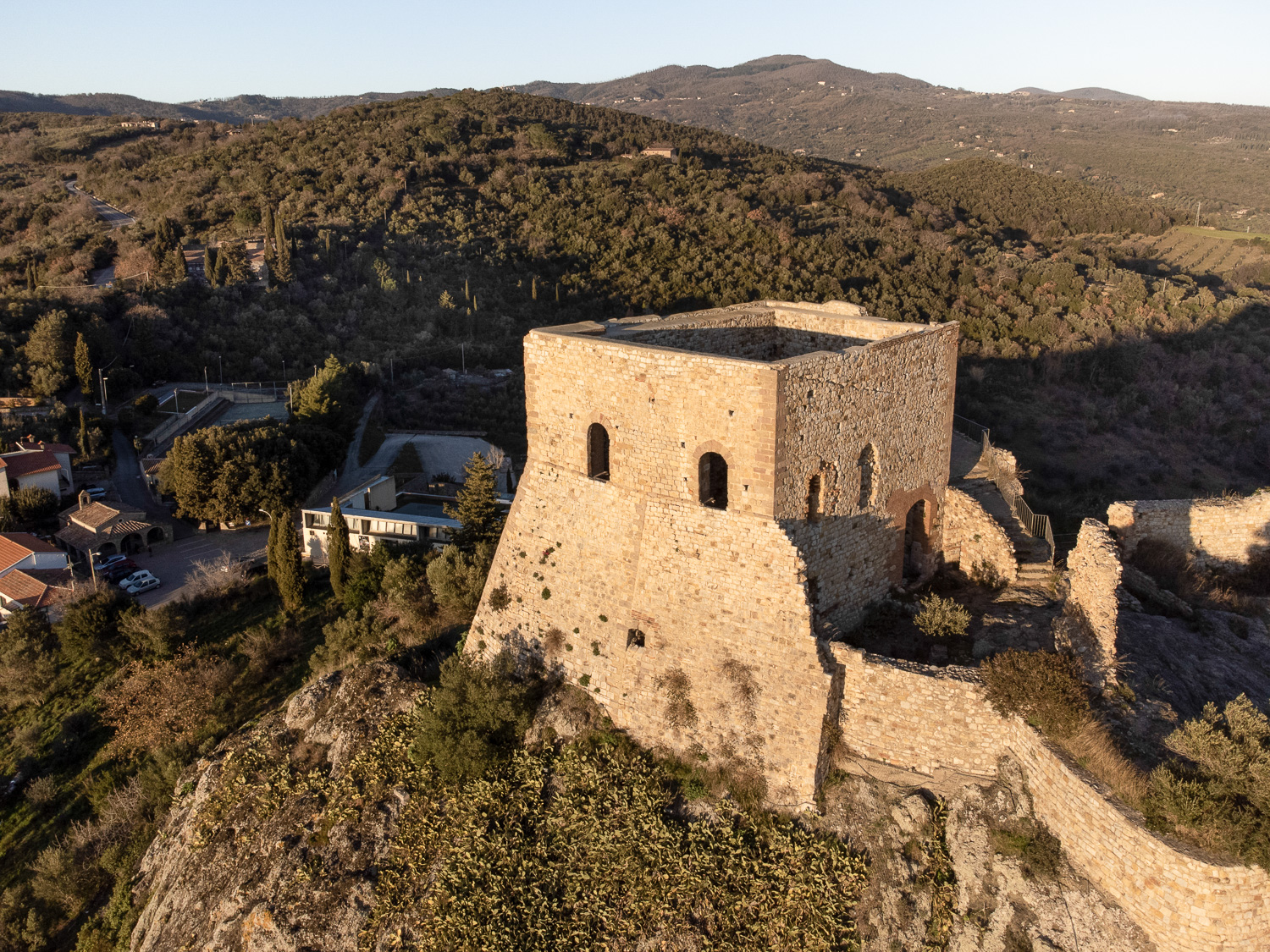
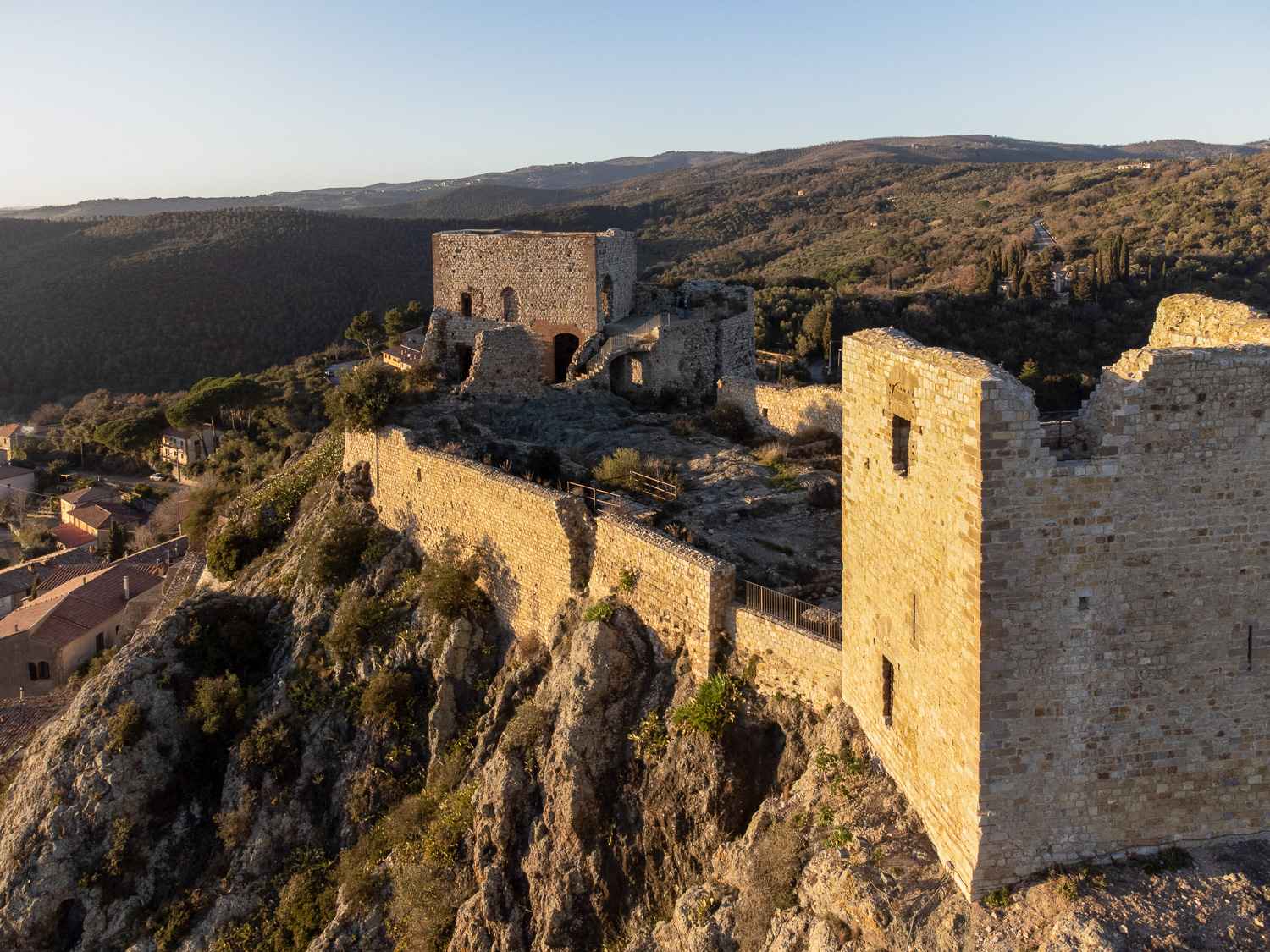
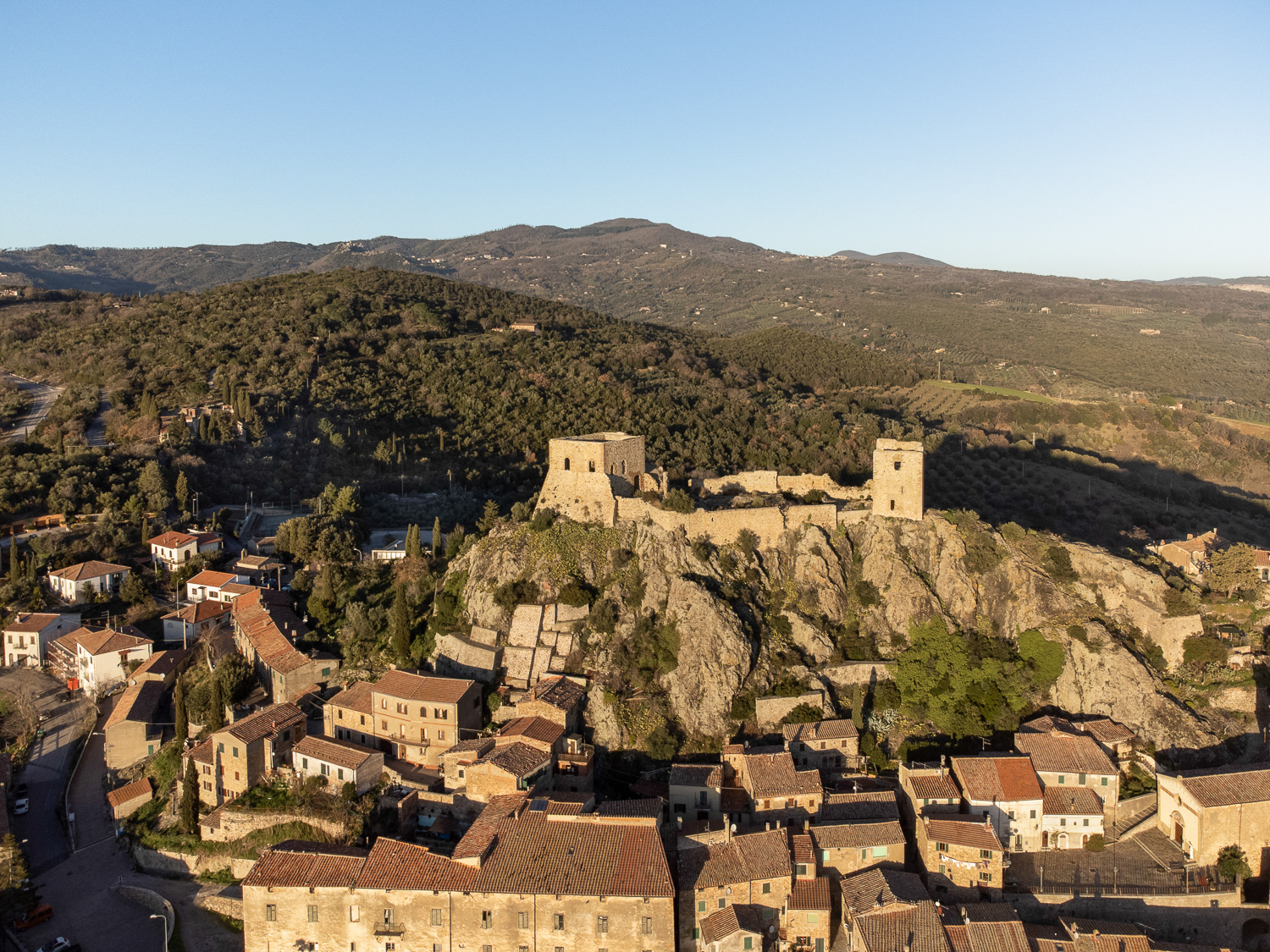
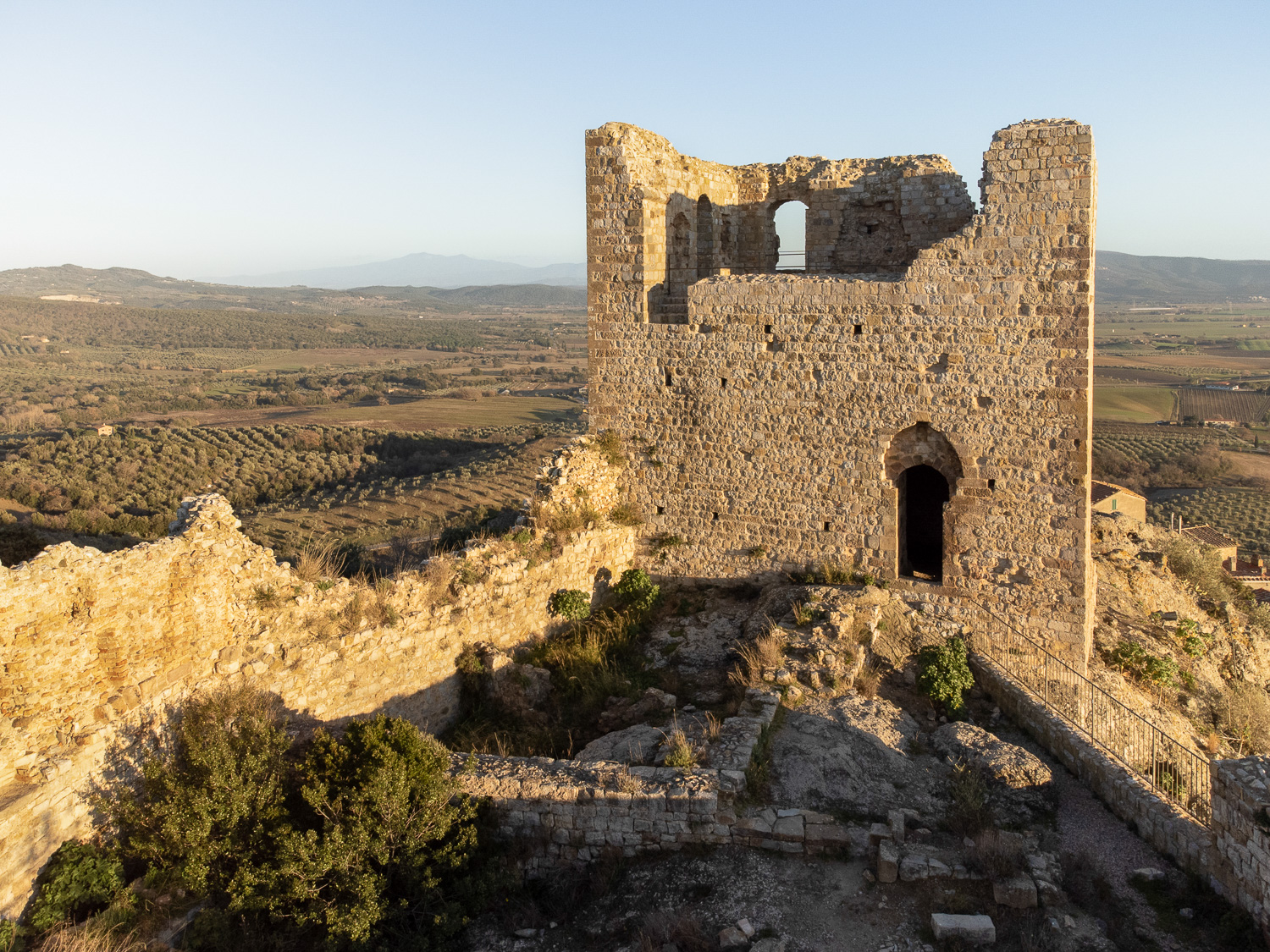
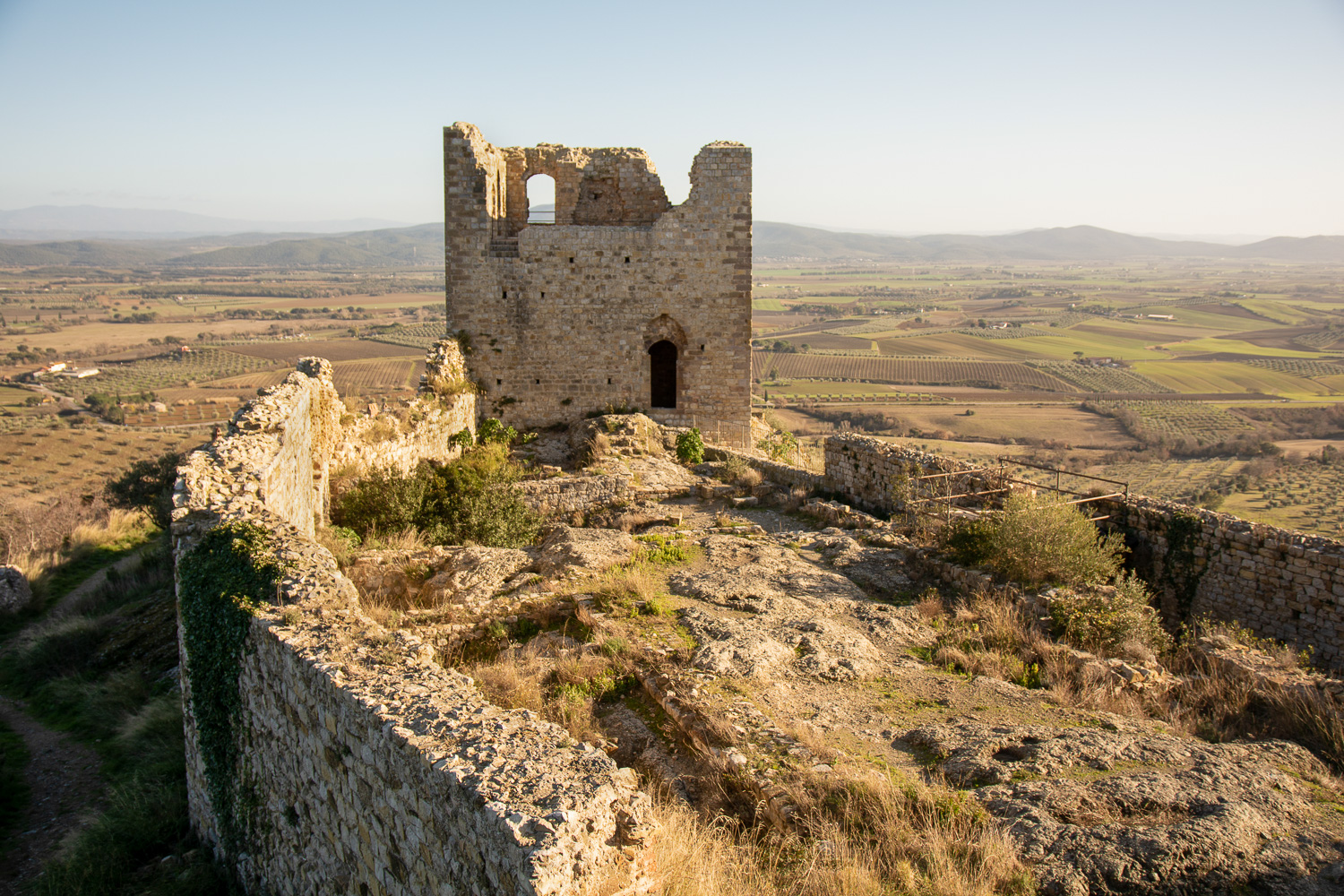
The first information about the castle date back to 1075, however, his current look is probably due to a thirteenth-century reconstruction, after the demolition committed by the senese army in 1260. The castle became soon the centre of hard fights between local families and the city of Siena, to get dominance over the territory. After the annexation of the state of Siena under the Grand Duchy of Tuscany the decline of the castle started. During the seventeenth century, it was affected by spoliation and its decline has only stopped with the recent restoration. Nowadays its ruins show the original magnificence of the fortress, still visible in its main buildings: the medieval palace, the southern tower, and most of the ancient walls.
Participants were asked to design an adaptive reuse proposal for the castle of Montemassi, to conceive the entire castle as a new museum and cultural center, a place to discover the history of the castle and able to host events and exhibitions.
THE CASTLE OF MONTEMASSI
The first information about the castle date back to 1075, however, his current look is probably due to a thirteenth-century reconstruction, after the demolition committed by the senese army in 1260. The castle became soon the centre of hard fights between local families and the city of Siena, to get dominance over the territory. After the annexation of the state of Siena under the Grand Duchy of Tuscany the decline of the castle started. During the seventeenth century, it was affected by spoliation and its decline has only stopped with the recent restoration. Nowadays its ruins show the original magnificence of the fortress, still visible in its main buildings: the medieval palace, the southern tower, and most of the ancient walls.
Participants were asked to design an adaptive reuse proposal for the castle of Montemassi, to conceive the entire castle as a new museum and cultural center, a place to discover the history of the castle and able to host events and exhibitions.
GUESTS
MAX DUDLER

M. INARAJA
CARLES ENRICH
FALA ATELIER
STUDIO WOK

E. MILESI

PROF. MERLO

PROF. DE VITA

GALLERY